
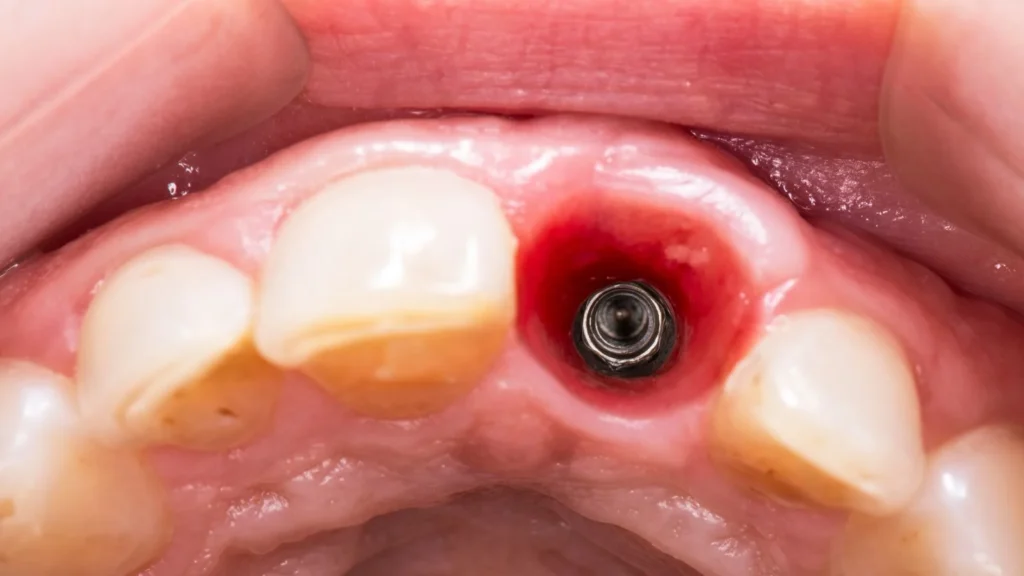
A dental implant is more than just a replacement tooth; it is a marvel of modern dentistry that restores both function and aesthetics. Understanding the parts of a dental implant and how each component contributes to oral health is essential for anyone considering this treatment. In this comprehensive guide, we will explore every critical aspect of a dental implant, from its structural elements to its biological interactions, in a way that is both engaging and informative. This process involves alveolar ridge (the bony ridge that supports the teeth).
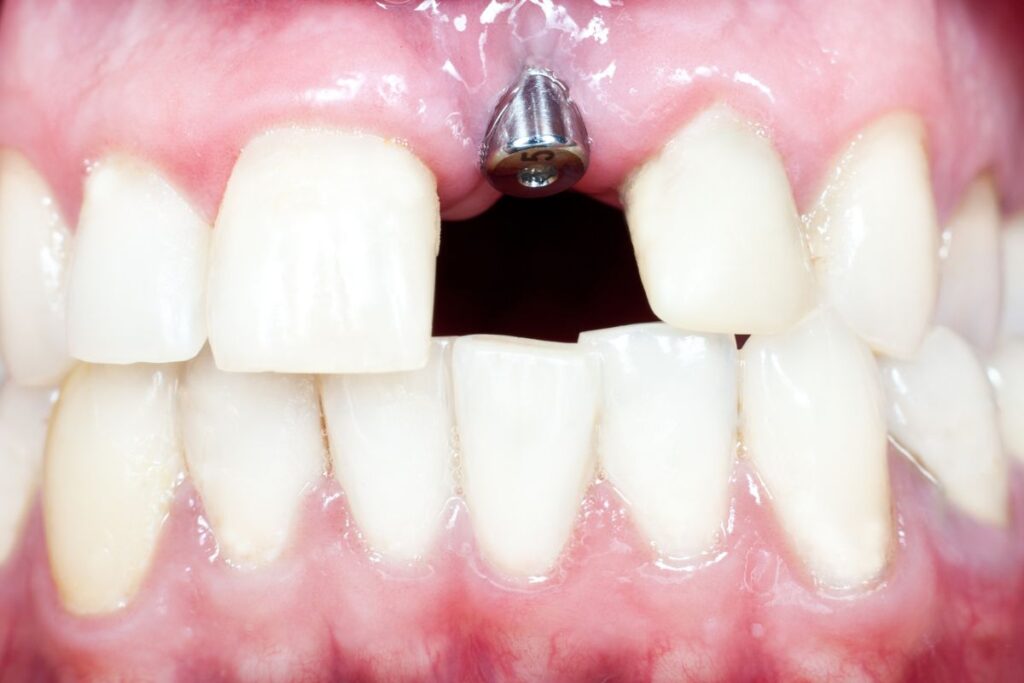
The Implant Fixture: Foundation of a Dental Implant
The implant fixture, often referred to as the implant body, is the core component of a dental implant. Made typically from titanium or zirconia, this screw-like structure is surgically inserted into the jawbone. Its primary role is to mimic the natural tooth root, providing stability for the entire prosthetic system.
Titanium’s biocompatibility ensures that the fixture integrates with bone through a process known as osseointegration. Zirconia, although less commonly used, offers a metal-free alternative with excellent aesthetic results. The design of the fixture its threads, surface roughness, and diameter affects how well it integrates and distributes biting forces, supported by advanced sinus augmentation.
Beyond structural support, the fixture also serves as the interface for other implant components. A well-placed implant fixture can last decades, often outlasting natural teeth when properly cared for.
The Abutment: Connecting the Dental Implant to the Crown
The abutment is the crucial connector between the implant fixture and the visible dental crown. Usually made of titanium, gold, or zirconia, the abutment ensures a secure attachment while maintaining the correct orientation of the crown. In essence, it acts as the bridge between the hidden and visible parts of a dental implant.
Different abutment designs exist, including straight, angled, and custom-made options. These variations accommodate different jaw shapes and bite patterns. The stability and positioning of the abutment directly influence the longevity of the implant and the health of surrounding tissues. Modern abutments also allow for minimal invasive procedures, ensuring that the gums and bone are preserved as much as possible, supported by advanced dental prosthesis.
The Crown: Restoring Function and Aesthetics in a Dental Implant
The dental crown is the visible portion of a dental implant, designed to replicate the appearance and function of a natural tooth. Crowns are usually made from porcelain, zirconia, or a combination of materials to achieve durability and a natural look. They are meticulously crafted to match the color, shape, and size of neighboring teeth, supported by advanced delayed loading.
The crown must withstand chewing forces and provide an even bite. Advanced digital scanning and CAD/CAM technology have revolutionized crown fabrication, offering precise customization. While the crown is often considered the “final touch,” it plays a vital role in the overall success of the implant by protecting the abutment and distributing forces evenly to the jawbone, supported by advanced bone grafting.
Screws and Fixation: Securing Components in a Dental Implant
The screws in a dental implant system are small but critical. They attach the abutment to the fixture and, in some cases, secure the crown directly. Using high-quality materials like titanium alloys ensures that the screws resist corrosion and mechanical fatigue over time.
Screw design, including thread type and torque specifications, is essential for the stability of the implant. Incorrectly tightened screws can lead to micro-movement, which may compromise osseointegration. Therefore, understanding the mechanics of implant screws helps clinicians prevent potential failures and maintain long-term success. This process involves endosteal implants (implants placed directly into the jawbone).
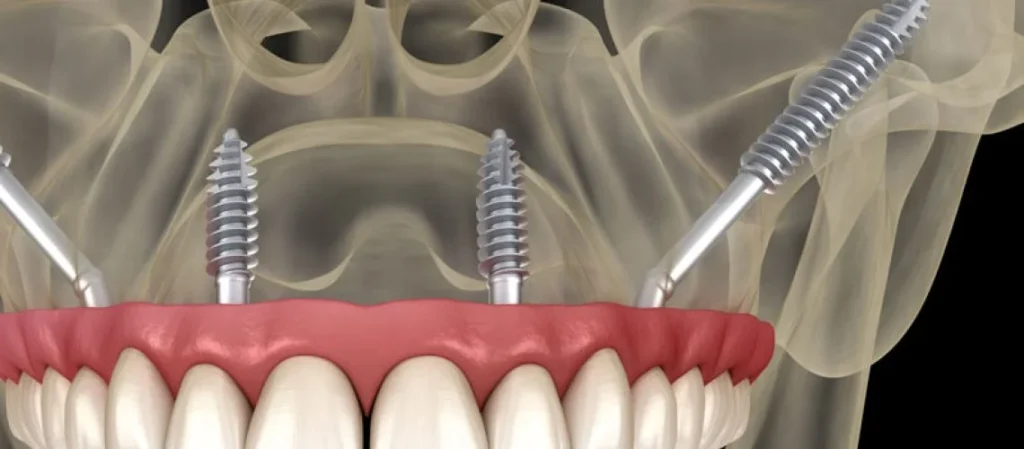
Bone Integration: The Biological Aspect of a Dental Implant
One of the most fascinating aspects of a dental implant is its interaction with bone. Osseointegration refers to the direct structural and functional connection between living bone and the implant surface. This process allows the implant to behave like a natural tooth root, providing both support and sensory feedback.
Surface treatments, including sandblasting, acid etching, or coating with bioactive materials, enhance bone attachment. Studies indicate that implants with optimized surface properties integrate faster and more reliably. Understanding bone biology is critical for predicting healing times and long-term implant stability.
Soft Tissue Adaptation Around a Dental Implant
The health and shape of the surrounding gums are crucial for a successful dental implant. Proper soft tissue adaptation protects the bone, prevents infection, and enhances aesthetics. Techniques like platform switching, careful abutment selection, and flapless surgery help preserve gum architecture.
Soft tissue management also reduces inflammation and peri-implant disease. Regular monitoring and professional cleaning ensure that the gum around the implant remains firm, healthy, and visually harmonious with adjacent teeth.
Advanced Components: Innovations in Dental Implant Design
Modern dental implants are no longer limited to basic fixtures and crowns. Innovations such as custom abutments, ceramic implants, and digital-guided placement have expanded treatment possibilities. Some systems even incorporate microgrooves to stimulate bone growth or antibacterial coatings to prevent infections.
Emerging research focuses on improving implant longevity, reducing healing times, and enhancing aesthetics. Patients benefit from a variety of materials and designs tailored to their specific oral anatomy and functional requirements. Understanding these advanced components provides a deeper appreciation of the science behind successful implants. This process involves immediate loading (placing a temporary tooth on the same day as implant surgery).
A dental implant is a complex and elegant system that restores both function and beauty to the mouth. Each component the fixture, abutment, crown, screws, and surrounding tissues plays a vital role in ensuring long-term success. Advances in materials and technology continue to make implants more predictable, durable, and natural-looking. By understanding the parts and functions of a dental implant, patients and clinicians alike can make informed decisions and appreciate the remarkable engineering behind this modern dental solution, supported by advanced bone density.