A brighter smile has long been associated with confidence, youth, and health. Today, at home solutions promise fast results, and many people wonder whether Teeth Whitening kits truly begin working as soon as they are applied or if their effects are mostly marketing claims. The answer sits somewhere between chemistry, biology, and expectations.
Understanding the science behind Teeth Whitening helps set realistic expectations. Instead of miracle claims, it is more accurate to view whitening as a gradual optical change influenced by stain type, gel concentration, and consistency of use.
How Teeth Whitening Kits Actually Work at the Molecular Level
Most Teeth Whitening kits rely on peroxide based compounds such as hydrogen peroxide or carbamide peroxide. These ingredients release oxygen molecules that penetrate microscopic pores in the enamel. When oxygen interacts with pigmented compounds, it breaks them into smaller, less visible fragments.
This reaction does not “bleach” teeth in the traditional sense. Instead, it reduces the contrast between stains and enamel. Over time, Teeth Whitening becomes noticeable because light reflects more evenly across the tooth surface. The process is subtle and cumulative, which explains why results typically appear over several applications rather than instantly.
Saliva flow, enamel thickness, and natural tooth shade also influence the outcome. Even identical Teeth Whitening products can perform differently from person to person. That variability often leads to mixed reviews.
Types of Teeth Whitening Kits Available Today
Not all Teeth Whitening products are created equal. Concentration, delivery system, and wear time change both effectiveness and comfort. Below is a simplified comparison of common formats.
| Kit Type | Active Agent | Contact Time | Typical Experience |
| Strips | Low peroxide | 20 to 60 min | Easy, gradual results |
| Trays | Medium peroxide | 30 to 120 min | More even coverage |
| Pens | Mild gel | Short, targeted | Quick touch ups |
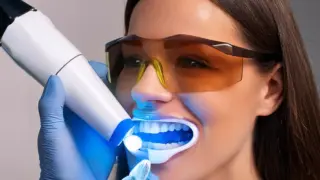
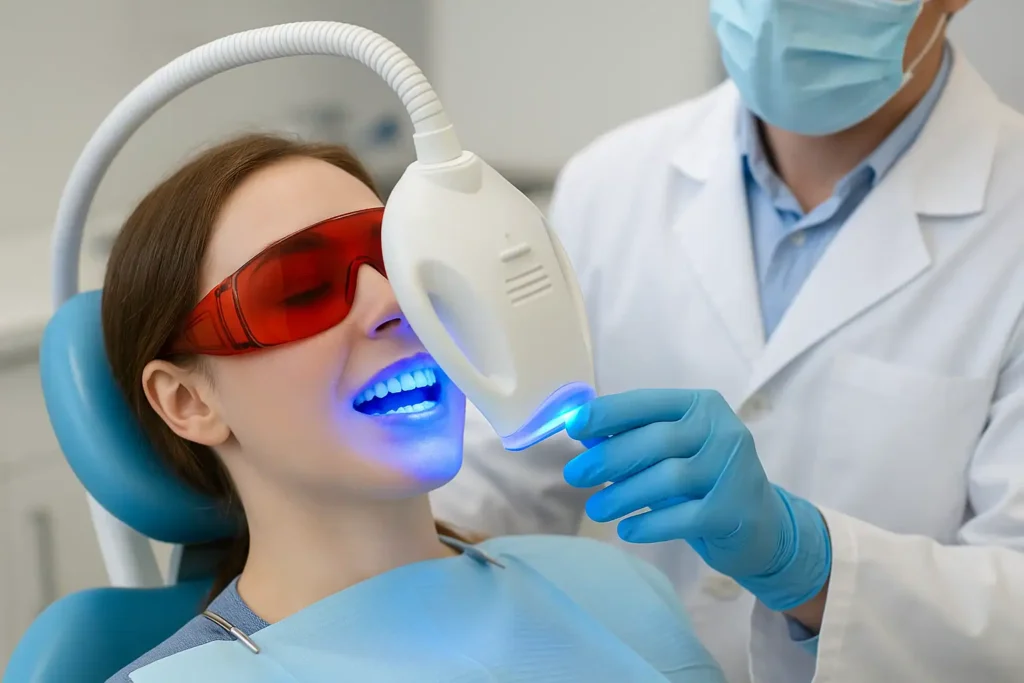
| LED kits | Peroxide plus light | Variable | Perceived faster action |
Strips are often the most accessible form of Teeth Whitening. Trays, especially custom fitted ones, may allow better contact with the enamel. LED lights are marketed as accelerators, though evidence on their added benefit remains limited.
Choosing the right format often depends on lifestyle. Someone seeking convenience may prefer strips, while those wanting comprehensive Teeth Whitening coverage may lean toward trays.
When Does Teeth Whitening Start Showing Results?
A frequent question is timing. Do Teeth Whitening kits start working after the first use or only after days? Scientifically, the chemical reaction begins within minutes of application. However, visible changes usually require repeated exposure.
Many users notice subtle brightening after three to five sessions. More noticeable differences often appear after one to two weeks. The reason lies in cumulative pigment breakdown. Each session removes a fraction of discoloration, gradually building toward a lighter shade.
Think of Teeth Whitening like polishing a cloudy lens. One wipe helps, but repeated cleaning creates clarity. This incremental process aligns with laboratory observations where enamel shade improves progressively rather than dramatically.
What Factors Influence Teeth Whitening Effectiveness?
Several biological and behavioral factors determine how well Teeth Whitening performs. These influences can amplify or reduce results.
Key variables include:
- Type of stain, such as coffee, tea, or tobacco
- Age related enamel thinning
- Frequency of kit usage
- Gel concentration
- Dietary habits during treatment
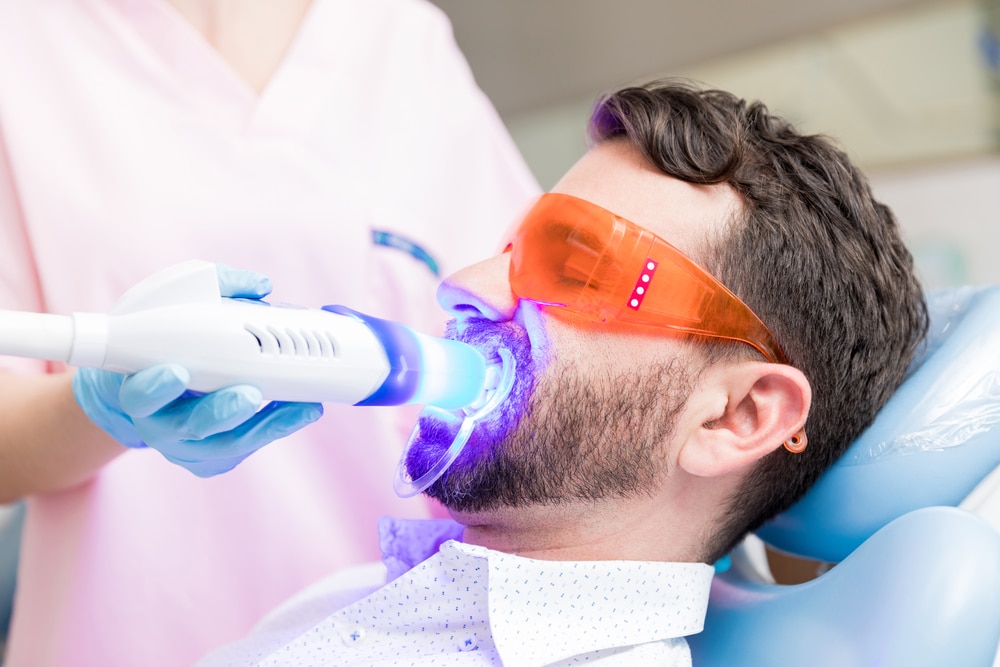
Surface stains respond more easily to Teeth Whitening, while intrinsic stains caused by medication or trauma may resist change. Genetics also shape natural tooth color, meaning some smiles simply have a warmer base tone.
Daily habits matter too. Drinking strongly colored beverages immediately after Teeth Whitening sessions may slow progress. Many people find that small routine adjustments improve consistency.
Safety and Sensitivity in Teeth Whitening
Safety concerns are common with Teeth Whitening. Mild sensitivity is the most frequently reported effect. This occurs because peroxide temporarily increases enamel permeability, allowing sensations to travel more easily to the nerve.
Sensitivity typically fades within hours or days. Lower concentrations and shorter exposure times often reduce discomfort. Desensitizing toothpaste may also help manage temporary reactions.
Importantly, reputable Teeth Whitening kits are designed to stay within safe peroxide levels. Problems are more likely to arise from overuse or combining multiple products simultaneously. Moderation and following instructions remain key themes in research.
From a clinical perspective, professionally supervised Teeth Whitening may offer better customization for individuals with delicate enamel or existing dental work.
Comparing At Home Teeth Whitening and Professional Options
At home Teeth Whitening appeals because it is affordable and convenient. Yet professional approaches at clinics like Livera Clinic can offer stronger formulations and personalized trays.
Here is a practical comparison:
At home Teeth Whitening
More budget friendly
Gradual results
Self applied
Professional Teeth Whitening
Higher concentration gels
Faster visible change
Monitored by dental experts
Neither option is universally superior. Instead, each serves different expectations. Someone preparing for an event may prefer a faster professional session, while others may appreciate the slow and steady nature of home Teeth Whitening routines.
Myths and Misconceptions About Teeth Whitening
The world of Teeth Whitening is filled with myths. Separating fact from fiction helps avoid disappointment.
A common belief is that whitening damages enamel permanently. Research generally indicates that controlled use causes minimal structural change. Another myth suggests that whitening works equally on crowns or fillings. In reality, Teeth Whitening primarily affects natural enamel, so restorations remain the same color.
There is also the idea that natural remedies like baking soda or lemon juice outperform modern Teeth Whitening systems. Abrasive or acidic ingredients may actually roughen enamel, making stains more likely over time.
Understanding these nuances prevents unrealistic expectations and supports informed decisions.
Long Term Maintenance After Teeth Whitening
Once the desired shade is achieved, maintenance becomes the next focus. Teeth Whitening results are not permanent because daily life continuously introduces pigments.
Small habits can help preserve brightness:
Avoid frequent staining drinks
Rinse after colored foods
Maintain regular brushing
Use occasional touch up Teeth Whitening products
Think of whitening like maintaining white clothing. Without care, discoloration slowly returns. Occasional refresh sessions keep improvements visible without overexposure.
Many individuals find that periodic Teeth Whitening every few months is sufficient to sustain their smile.
Final Thoughts on Whether Teeth Whitening Kits Really Work
So, do Teeth Whitening kits really start working? From a scientific viewpoint, yes. The chemical process begins immediately, but visible change requires patience. Results depend on stain type, product quality, and consistency.
Rather than expecting dramatic overnight transformation, it helps to view Teeth Whitening as a progressive enhancement. When approached realistically, these kits can provide meaningful brightening for many users. For those seeking tailored guidance, professional insight at Livera Clinic may help align methods with individual goals.
Ultimately, Teeth Whitening is less about chasing perfection and more about gently improving what is already there. A brighter smile often comes not from a single application, but from informed, steady care over time.