The question of whether you can smoke after a tooth extraction is one of the most searched and debated topics in modern dentistry. Patients who undergo tooth removal often wonder how smoking interacts with healing, comfort, and overall oral balance. From a scientific perspective, the relationship between smoke after a tooth extraction and recovery is layered, complex, and influenced by multiple biological and behavioral factors.
What Happens in the Mouth When You Smoke After a Tooth Extraction
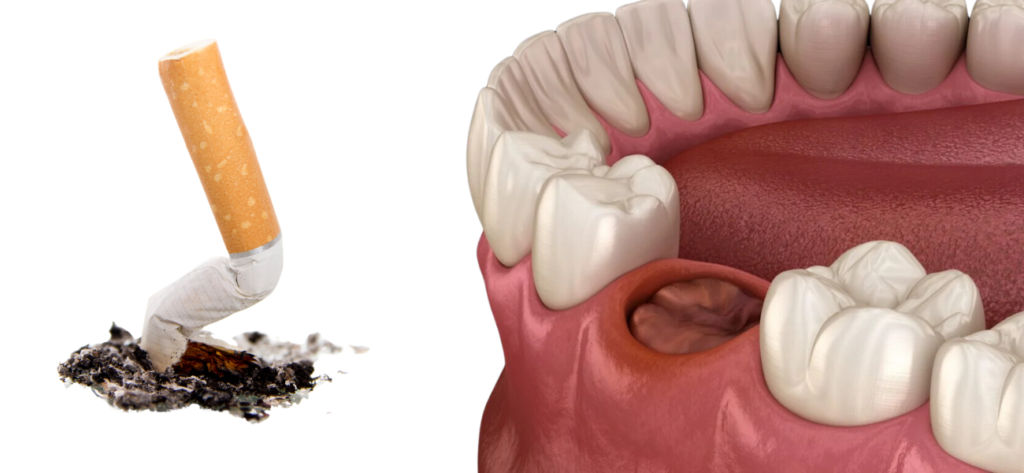
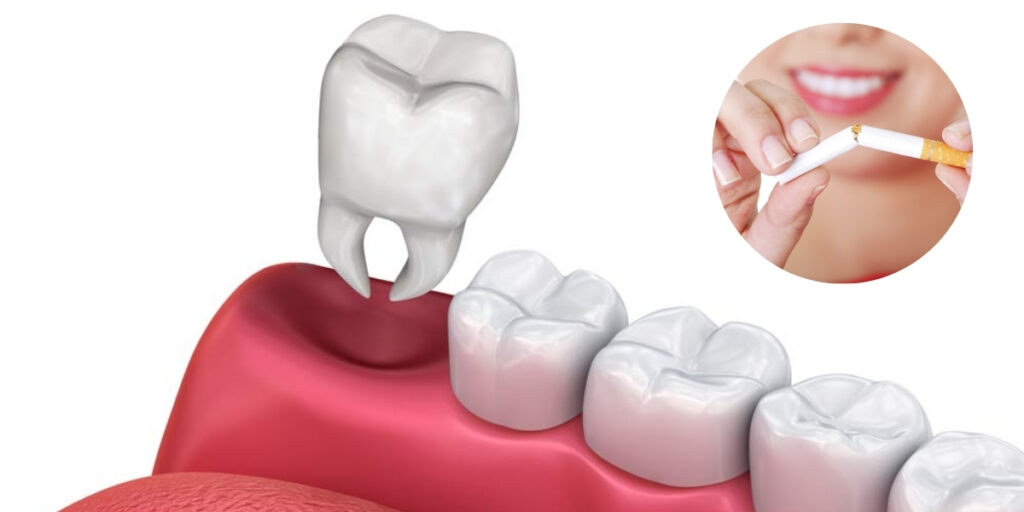
When someone decides to smoke after a tooth extraction, several things occur simultaneously inside the oral cavity. Tooth extraction creates an open area where the tooth once sat, and the body naturally begins forming a blood clot to protect underlying bone and nerves. This clot is a temporary biological seal.
The act of smoking involves suction, heat, and chemical intake. These factors interact with the extraction site in ways that are often discussed in dental literature. Studies frequently examine how suction pressure and reduced oxygen levels may influence the stability of the clot when people smoke after a tooth extraction.
Beyond pressure, smoke introduces substances that can alter saliva composition. Saliva plays a role in cleansing and maintaining oral balance. When someone regularly chooses to smoke after a tooth extraction, the oral environment may behave differently than it would in a smoke free setting.
Why Dentists Discuss Smoke After a Tooth Extraction So Often
Dental professionals frequently highlight the topic of smoke after a tooth extraction because it sits at the intersection of habit and healing. Tooth removal is common, and smoking remains widespread globally, making this overlap unavoidable in clinical conversations.
Research papers often explore how smoking correlates with delayed tissue response in oral wounds. While individual experiences vary, the recurring focus on smoke after a tooth extraction in academic and clinical settings reflects its relevance rather than alarmism.
Another reason this topic receives attention is predictability. Dentists can anticipate questions about smoke after a tooth extraction, just as they anticipate questions about swelling, sensitivity, or diet. This makes it a standard educational subject rather than a warning focused discussion.
The Role of Blood Clots When You Smoke After a Tooth Extraction
One of the most discussed elements related to smoke after a tooth extraction is the blood clot. This clot forms naturally and acts as a protective layer. Dental research often references clot stability when evaluating post extraction behavior.
When people smoke after a tooth extraction, the mechanical action of inhaling smoke can create changes in pressure within the mouth. These pressure changes are frequently mentioned in studies examining clot displacement, though outcomes differ among individuals.
Additionally, chemicals present in tobacco smoke have been shown to affect blood vessels. This relationship is part of why scientists continue to analyze how smoking may influence oral wound dynamics after extraction procedures.
How Smoking Habits Interact With Oral Healing After Extraction
Habits matter in dentistry, especially repetitive ones. Choosing to smoke after a tooth extraction is not a single event but often part of an ongoing routine. Research suggests that frequency, intensity, and duration of smoking all play roles in how the mouth responds after tooth removal.
Occasional smokers and long term smokers may experience different oral responses. This distinction often appears in studies focused on smoke after a tooth extraction, where patterns are analyzed rather than isolated moments.
The interaction between smoke exposure and healing tissue is still an area of ongoing investigation. This is why many articles focus on explaining possibilities instead of offering absolute conclusions about smoke after a tooth extraction.
Smoke After a Tooth Extraction and Oral Sensations
People who smoke after a tooth extraction often report changes in how their mouth feels. These sensations may include dryness, altered taste, or heightened awareness around the extraction area. From a scientific angle, these sensations are linked to nerve exposure, saliva flow, and tissue sensitivity.
Heat from smoke can also influence how the extraction site feels. Studies analyzing oral temperature changes have included smoke after a tooth extraction as a variable worth observing, especially in the first days following removal.
These sensory experiences are one reason why the topic continues to attract attention. Understanding what is normal versus unexpected helps patients contextualize their own experience without jumping to conclusions.
Social and Psychological Aspects of Smoke After a Tooth Extraction
Beyond biology, the decision to smoke after a tooth extraction often has social and psychological dimensions. Smoking may be associated with stress relief, routine, or social interaction. Dental research increasingly acknowledges that patient behavior is not purely clinical.
This broader view helps explain why discussions about smoke after a tooth extraction are framed as informational rather than judgmental. Understanding motivation provides context, especially when examining patient compliance and reported outcomes.
Modern dental communication aims to meet patients where they are. Exploring the topic of smoke after a tooth extraction through behavioral lenses adds depth to what might otherwise be a purely technical subject.
Scientific Observations About Smoke After a Tooth Extraction
Multiple observational studies have examined outcomes related to smoke after a tooth extraction. These studies often compare groups based on smoking frequency rather than attempting to define universal rules.
Findings typically focus on patterns rather than guarantees. For example, some research notes differences in tissue appearance or healing timelines among those who smoke after a tooth extraction, while also emphasizing individual variability.
This cautious language is important. Dentistry, like many health sciences, relies on probability and trends. The topic of smoke after a tooth extraction remains an area where research continues to evolve.
How Long the Topic of Smoke After a Tooth Extraction Has Been Studied
The relationship between smoking and oral procedures has been studied for decades. Early dental literature already referenced smoking behavior after extractions. Over time, the focus sharpened, leading to more detailed analysis of smoke after a tooth extraction.
Advancements in imaging, tissue analysis, and patient tracking have allowed modern researchers to explore this topic more deeply. Yet despite technological progress, the core questions remain similar.
This long standing interest shows that smoke after a tooth extraction is not a trend driven topic but a foundational one in dental science.
Evaluating Information Sources About Smoke After a Tooth Extraction
Not all content about smoke after a tooth extraction offers the same level of quality. Some sources rely on anecdotal claims, while others reference peer reviewed studies and clinical observations.
High quality dental content focuses on explaining mechanisms and possibilities rather than issuing strict commands. This approach aligns with how reputable clinics and academic institutions discuss smoke after a tooth extraction.
For readers, understanding the difference between sensational claims and evidence based discussion is key. Reliable content adds clarity instead of fear.
Why This Topic Matters to Dental Clinics Like Livera Clinic
For clinics such as Livera Clinic, discussing smoke after a tooth extraction is part of building trust. Transparent information allows patients to feel informed and respected.
Educational content that explores the topic thoughtfully reflects a clinic’s commitment to patient understanding. Rather than simplifying complex issues, clinics benefit from acknowledging nuance when addressing smoke after a tooth extraction.
This approach also reinforces credibility, positioning the clinic as a knowledgeable and patient centered authority in dental care.
Final Thoughts on Smoke After a Tooth Extraction
The topic of smoke after a tooth extraction sits at the crossroads of habit, biology, and personal experience. It continues to be studied, discussed, and searched because it reflects real questions people have after dental procedures.
Rather than offering absolute answers, scientific and clinical discussions aim to provide context. Understanding what happens in the mouth, how habits interact with healing, and why professionals talk about this topic helps patients make sense of their own experiences.
At its core, the conversation about smoke after a tooth extraction is about awareness, not fear. And that awareness empowers individuals to engage more thoughtfully with their oral health journey.