Laser Teeth Whitening has become one of the most talked about cosmetic dental procedures in recent years. From social media transformations to clinic brochures, this technology driven approach to brighter smiles attracts attention fast. But curiosity naturally follows popularity. Many people wonder whether Laser Teeth Whitening is actually safe, how it works, and what kind of experience it offers compared to other whitening methods.
What Is Laser Teeth Whitening and Why Is It So Popular?
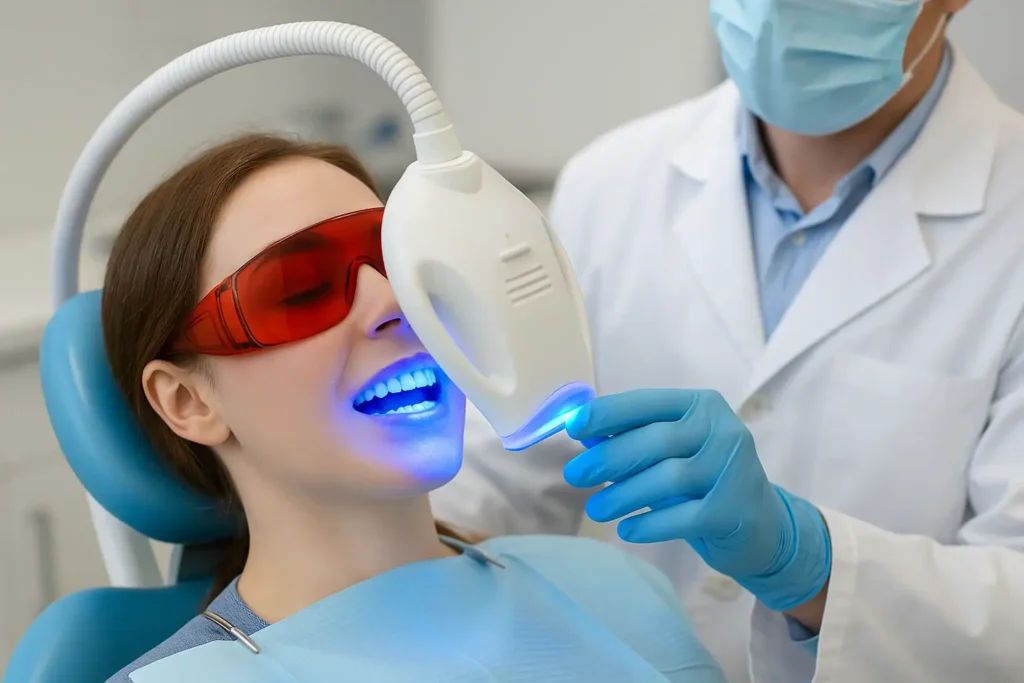
Laser Teeth Whitening is a professional whitening approach that combines a whitening gel with a controlled light or laser source. The light is used to activate the gel on the tooth surface, potentially accelerating the whitening reaction. This method is often associated with faster visible results compared to take home alternatives.
The popularity of Laser Teeth Whitening is not accidental. Modern lifestyles value speed, convenience, and visible outcomes. A single session that fits into a busy schedule is appealing. Additionally, the association with advanced technology creates a perception of precision and control, which many people find reassuring.
From a sociological perspective, Laser Teeth Whitening also benefits from visual culture. Before and after images are easy to understand and share. This visibility reinforces interest and fuels ongoing demand, especially among individuals exploring cosmetic dental solutions for the first time.
How Laser Teeth Whitening Works at a Scientific Level
At its core, Laser Teeth Whitening relies on a chemical reaction. The whitening gel usually contains peroxide based compounds. When activated by a laser or high intensity light, these compounds release oxygen molecules that interact with discoloration on the enamel.
Research literature often describes this as an oxidation process. The light energy does not bleach teeth by itself. Instead, it acts as a catalyst that may speed up the reaction between the gel and the stains. This distinction is important for understanding both effectiveness and safety.
Another scientific aspect of Laser Teeth Whitening is temperature control. Modern systems are designed to limit heat buildup. Excessive heat could theoretically affect tooth sensitivity, so technological improvements have focused heavily on regulation and consistency rather than raw power.
Is Laser Teeth Whitening Safe According to Current Research?
The safety of Laser Teeth Whitening has been examined in various academic and clinical studies over the years. Most discussions focus on enamel integrity, gum interaction, and short term sensitivity rather than long term structural damage.
Existing research suggests that when protocols are followed correctly, Laser Teeth Whitening does not appear to permanently damage enamel. Microscopic evaluations often show temporary changes that return to baseline over time. These findings contribute to why the method remains widely used in clinical environments.
However, scientific conversations also emphasize context. Factors such as gel concentration, exposure duration, and individual tooth characteristics matter. This is why studies rarely present absolute conclusions. Instead, they highlight variability and the importance of controlled application rather than universal guarantees.
Laser Teeth Whitening vs Other Whitening Methods
Comparing Laser Teeth Whitening with other whitening approaches helps clarify its position in modern dentistry. Common alternatives include at home trays, whitening strips, and non light activated in office treatments.
One major difference lies in speed. Laser Teeth Whitening is often associated with faster visible changes, while at home methods may require weeks. This does not automatically mean one approach is better, but it does explain differing expectations among users.
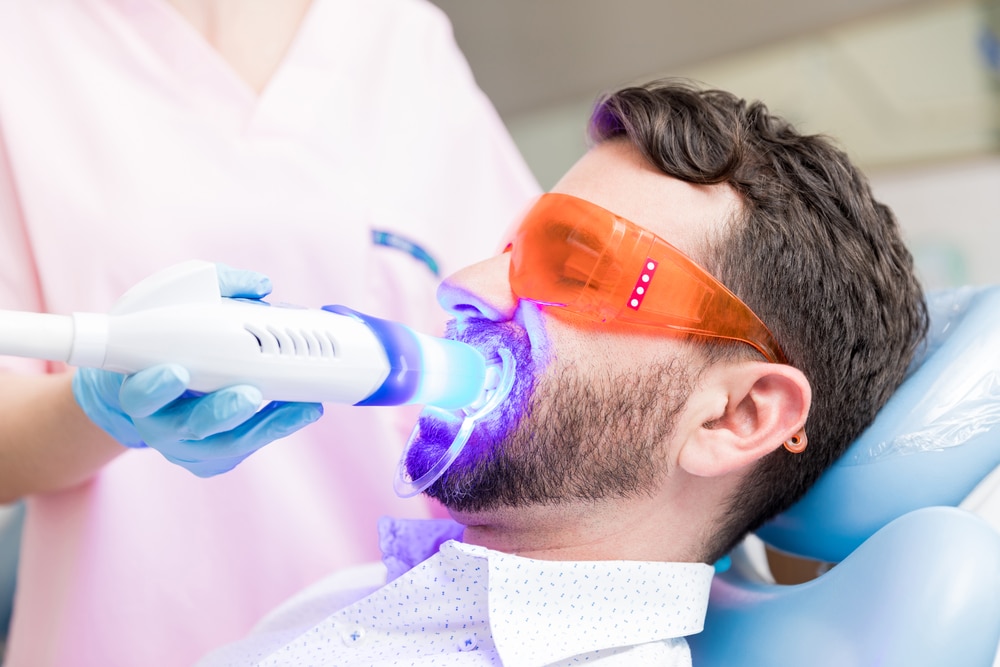
Another distinction involves supervision. Laser Teeth Whitening is typically performed in a clinical setting, which introduces a structured environment. Other methods rely more on personal consistency and interpretation of instructions. Each model reflects different priorities rather than a strict hierarchy of safety or effectiveness.
Understanding Sensitivity and Enamel Concerns in Laser Teeth Whitening
Sensitivity is one of the most frequently discussed topics around Laser Teeth Whitening. Scientifically, sensitivity is often linked to temporary fluid movement within dentinal tubules rather than surface damage.
Studies examining Laser Teeth Whitening often note that sensitivity, when it occurs, is usually short lived. The laser itself is not always identified as the primary cause. Instead, the chemical interaction of the whitening agents with tooth structure plays a larger role.
Enamel related concerns are also commonly raised. Research using scanning electron microscopy typically shows no significant enamel loss when standard protocols are followed. These findings help explain why Laser Teeth Whitening continues to be evaluated as a controlled cosmetic procedure rather than an aggressive intervention.
Who Usually Considers Laser Teeth Whitening and Why?
People exploring Laser Teeth Whitening come from diverse backgrounds. Some are motivated by professional appearance, others by social confidence, and some by curiosity about new technologies.
Demographic analyses often show interest across a wide age range. Younger adults may view Laser Teeth Whitening as part of image maintenance, while older individuals sometimes see it as a way to refresh their appearance without invasive procedures.
Psychologically, Laser Teeth Whitening appeals to individuals who value immediate feedback. Seeing change quickly can influence satisfaction levels, even if the long term outcome is similar to slower methods. This human preference for visible progress plays a significant role in decision making.
Common Questions People Ask About Laser Teeth Whitening
Below is a table summarizing recurring questions related to Laser Teeth Whitening and how they are typically addressed in scientific discussions.
| Question | General Scientific Perspective |
| Does laser damage teeth | Studies focus on controlled heat and chemical exposure rather than laser damage itself |
| Are results permanent | Whitening effects vary depending on lifestyle and natural tooth characteristics |
| Is the laser the main whitening factor | The gel performs the whitening, the laser accelerates the reaction |
| Can enamel be harmed | Research often shows temporary changes rather than permanent enamel loss |
This type of structured overview reflects how researchers approach Laser Teeth Whitening with nuance rather than simple yes or no answers.
Final Thoughts on Laser Teeth Whitening Safety
Laser Teeth Whitening sits at the intersection of chemistry, technology, and aesthetics. Its safety profile is generally discussed in relation to controlled application, scientific understanding, and individual variability rather than absolute outcomes.
What makes Laser Teeth Whitening interesting is not only its visible results but also the way it reflects broader trends in cosmetic healthcare. Speed, technology, and experience matter as much as the end result.
For readers exploring the topic through Livera Clinic, the key takeaway is informed curiosity. Understanding how Laser Teeth Whitening works, what research observes, and why people choose it allows for more thoughtful evaluation without relying on myths or unrealistic expectations.