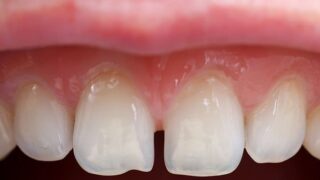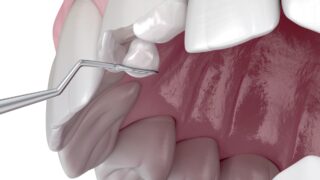
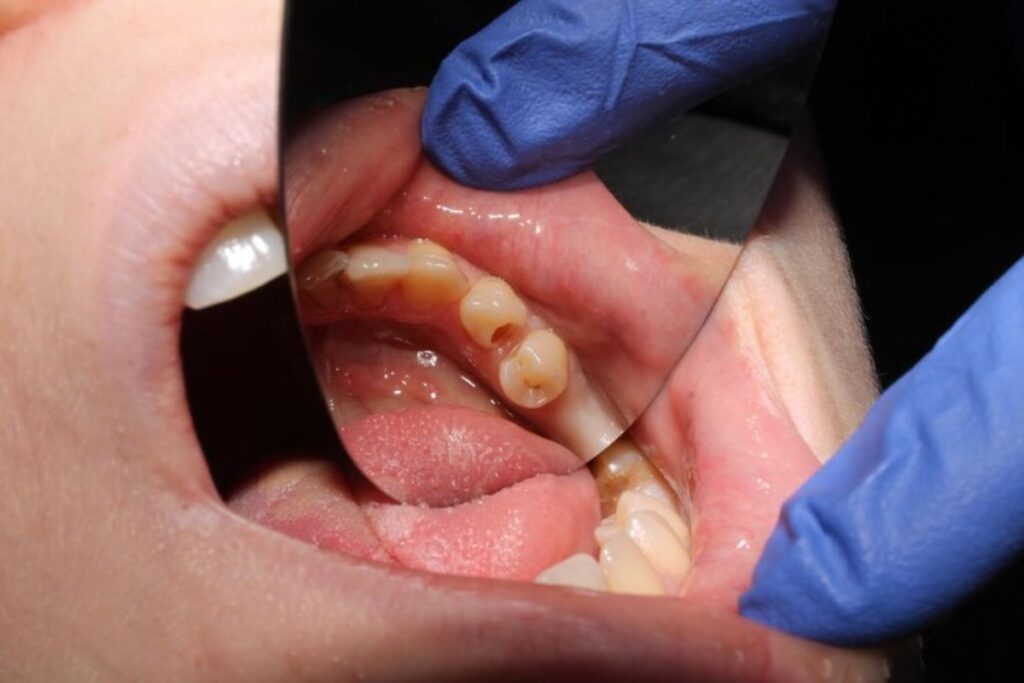
A Tooth Abscess is one of those dental terms that sounds intimidating and, for many people, it truly is. The moment discomfort turns into throbbing pain or swelling, curiosity quickly shifts into concern. In simple terms, a Tooth Abscess refers to a localized accumulation of pus caused by a bacterial infection inside or around a tooth. Yet behind this short definition lies a surprisingly complex biological process that connects oral health, immune response, and daily habits.
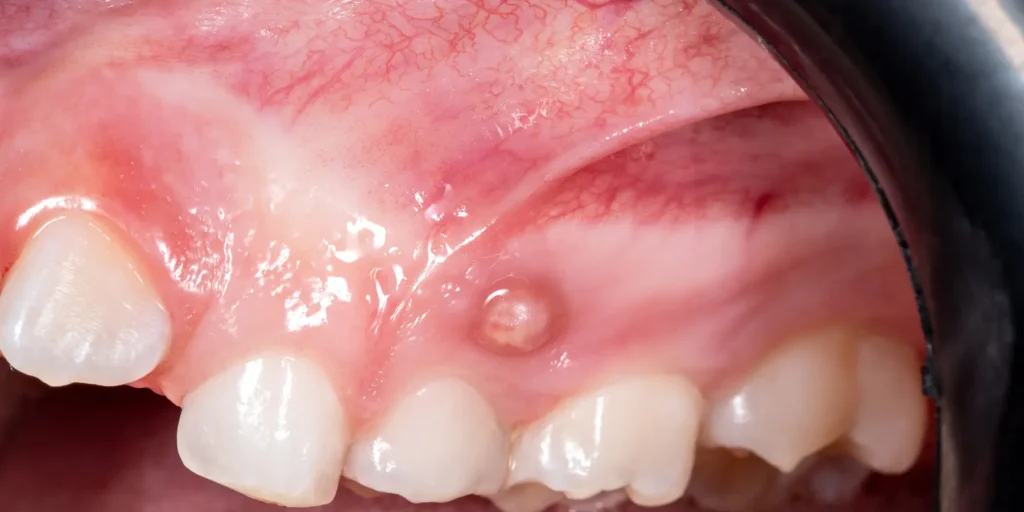
Tooth Abscess Formation: How Does a Tooth Abscess Begin?
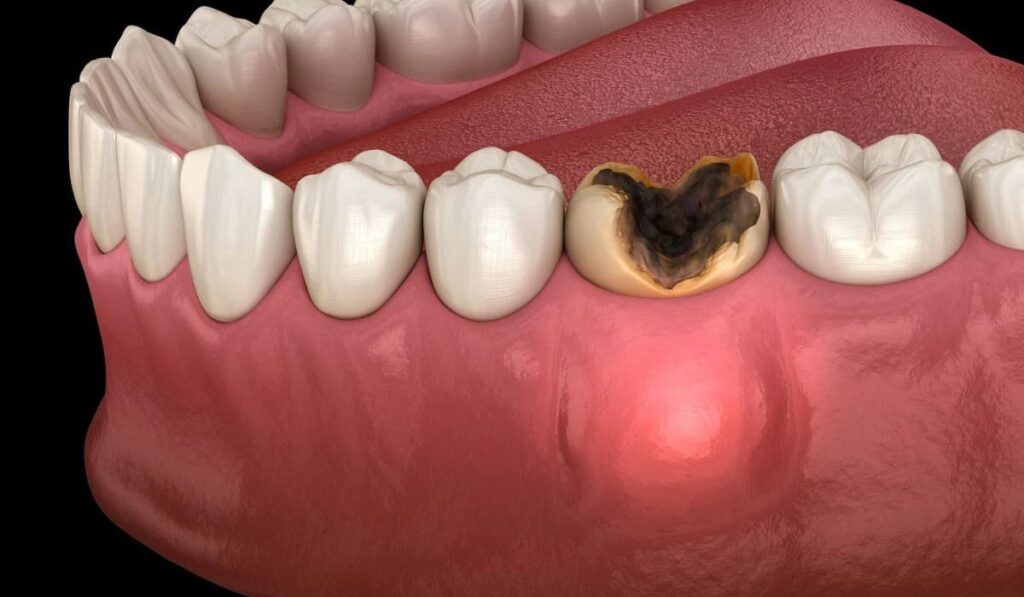
A Tooth Abscess rarely appears out of nowhere. It usually begins quietly, often as a small issue that goes unnoticed. Microscopic bacteria enter the tooth through weakened enamel, deep cavities, or cracks that may not be visible at first glance. Once bacteria reach the inner pulp, the immune system reacts.
Inside the tooth, blood vessels and nerves are enclosed in a rigid structure. When infection triggers inflammation, pressure builds rapidly. This pressure is not just responsible for pain but also for the body’s attempt to isolate the infection. Pus forms as white blood cells, dead tissue, and bacteria collect together. This biological response is what defines a dental abscess.
Interestingly, research shows that not all abscesses behave the same way. Factors like oral hygiene habits, saliva composition, and even genetics can influence how quickly a Tooth Abscess develops. Some remain localized for long periods, while others progress faster and become more noticeable.
Types of Tooth Abscess and Their Characteristics
Although the term Tooth Abscess is often used broadly, there are distinct categories based on where the infection originates. Each type has its own characteristics, progression patterns, and biological behavior.
The most commonly discussed type is the periapical abscess. This form develops at the tip of the tooth root and is usually linked to untreated decay. Another form, known as a periodontal abscess, affects the surrounding gum tissue rather than the tooth pulp itself. In some cases, a combined pattern emerges, blurring the line between tooth and gum involvement.
From a scientific standpoint, these differences matter. Studies in dental pathology highlight that abscess location can influence pain perception and swelling patterns. For example, gum based abscesses may drain more easily, while root tip abscesses often remain trapped, increasing internal pressure. Understanding these variations helps explain why no two Tooth Abscess experiences are exactly alike.
Tooth Abscess Symptoms: What Does the Body Communicate?
A Tooth Abscess communicates through signals that are hard to ignore. Pain is the most recognized symptom, yet it is only one part of a broader physiological response. Swelling, sensitivity to temperature, and a feeling of pressure are common experiences reported in clinical observations.
Beyond localized discomfort, the body may react in subtle systemic ways. Fatigue or a general feeling of unease can occur as the immune system stays active. In some documented cases, changes in taste or an unpleasant odor are linked to bacterial byproducts released during infection.
What makes these symptoms fascinating is their variability. Scientific analyses suggest that pain intensity does not always correlate with abscess size. A small Tooth Abscess can feel severe, while a larger one might remain relatively quiet for a time. This unpredictability is part of what makes the condition so widely discussed in dental literature.
Tooth Abscess Progression: What Happens Over Time?
Understanding how a Tooth Abscess progresses requires looking at time as a key factor. In the early phase, the infection remains confined. The immune system attempts to contain bacteria by forming a barrier, resulting in pus accumulation. During this stage, symptoms may fluctuate.
If the abscess continues to evolve, pressure may seek a release point. In some situations, spontaneous drainage occurs, temporarily reducing discomfort. This phenomenon has been documented in observational dental studies and often leads people to believe the issue has resolved.
However, biologically speaking, drainage does not always mean elimination. The underlying infection can persist at a lower intensity. This cyclical pattern explains why a Tooth Abscess may seem to improve and then reappear later. The progression is not linear but dynamic, influenced by immune strength and bacterial activity.
How Does a Tooth Abscess Go Away Naturally?
One of the most frequently asked questions revolves around whether a Tooth Abscess can go away on its own. From a biological perspective, the body is capable of remarkable self regulation. In certain cases, the immune system manages to reduce bacterial load and limit the infection.
Scientific discussions often focus on drainage as a turning point. When pus finds a path outward, internal pressure decreases. This may create the impression that the abscess has disappeared. Yet research indicates that bacteria can remain dormant within the tooth or surrounding tissues.
Therefore, when people say a Tooth Abscess went away, it often means symptoms subsided rather than the infection fully vanished. This distinction is important for understanding recurrence patterns observed in long term dental studies.
Tooth Abscess and Modern Dental Research Insights
Modern research provides fascinating insights into the microbiology behind a Tooth Abscess. Studies using advanced imaging and genetic sequencing reveal that abscesses are rarely caused by a single bacterial species. Instead, they involve complex microbial communities.
These bacterial clusters interact with each other and the host immune system. Some produce enzymes that break down tissue, while others help bacteria survive hostile environments. This cooperation explains why abscesses can be persistent and resistant to simple resolution.
Additionally, research highlights the role of inflammation mediators. Chemical signals released by immune cells contribute to swelling and pain. This ongoing dialogue between bacteria and the immune system shapes how a Tooth Abscess behaves over time.
Tooth Abscess Impact on Daily Life and Oral Health
Beyond biological processes, a Tooth Abscess can influence daily routines in unexpected ways. Difficulty chewing, disrupted sleep, and heightened sensitivity may alter eating habits and social interactions. These quality of life factors are often emphasized in patient centered dental research.
Long term observations suggest that recurring abscesses can affect overall oral balance. Neighboring teeth and gums may become more vulnerable due to changes in bacterial distribution. This interconnected nature of oral health reinforces why abscesses are considered more than isolated events.
From a broader perspective, understanding a Tooth Abscess involves recognizing its ripple effects. It is not just a local infection but a dynamic condition that interacts with the entire oral ecosystem.
Understanding Tooth Abscess as a Biological Process
A Tooth Abscess is not simply a dental inconvenience. It is a complex interaction between bacteria, tooth structure, and the immune system. From its quiet beginnings to its noticeable symptoms, each stage reflects a deeper biological story.
By exploring how a Tooth Abscess forms, progresses, and sometimes appears to resolve, this article aims to provide clarity rather than instructions. Prepared for Livera Clinic, it brings together scientific insight, observational research, and engaging explanations. Understanding the process empowers readers with knowledge and context, turning uncertainty into informed awareness.