Dental Plaque is one of the most common yet most misunderstood topics in oral health. Almost everyone has heard the term, but far fewer people truly understand how Dental Plaque forms, why it persists, and what actually makes it removable. In daily life, Dental Plaque is often confused with tartar, stains, or general tooth discoloration, even though it behaves very differently.
From a biological point of view, Dental Plaque is not just a layer on teeth. It is a living, constantly changing biofilm. Understanding this invisible process is the first and most important step toward learning how Dental Plaque can be managed.
What Is Dental Plaque and How Does It Form?
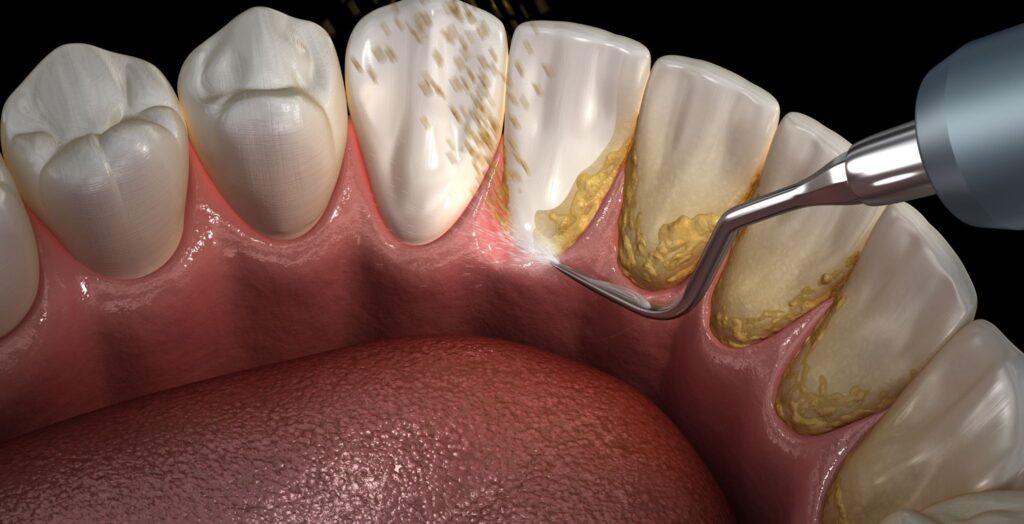
Dental Plaque is a soft, sticky biofilm made up of bacteria, food particles, and saliva proteins. It begins forming on tooth surfaces within hours after eating or drinking. The mouth is a warm, moist environment, which allows these microorganisms to multiply rapidly.
When sugars and carbohydrates are present, Dental Plaque bacteria use them as fuel. As they metabolize these substances, acids are released. Over time, this process explains why Dental Plaque is closely associated with enamel erosion and gum irritation. The key detail is that Dental Plaque is colorless at first, which makes it difficult to notice without professional tools or special disclosing solutions.
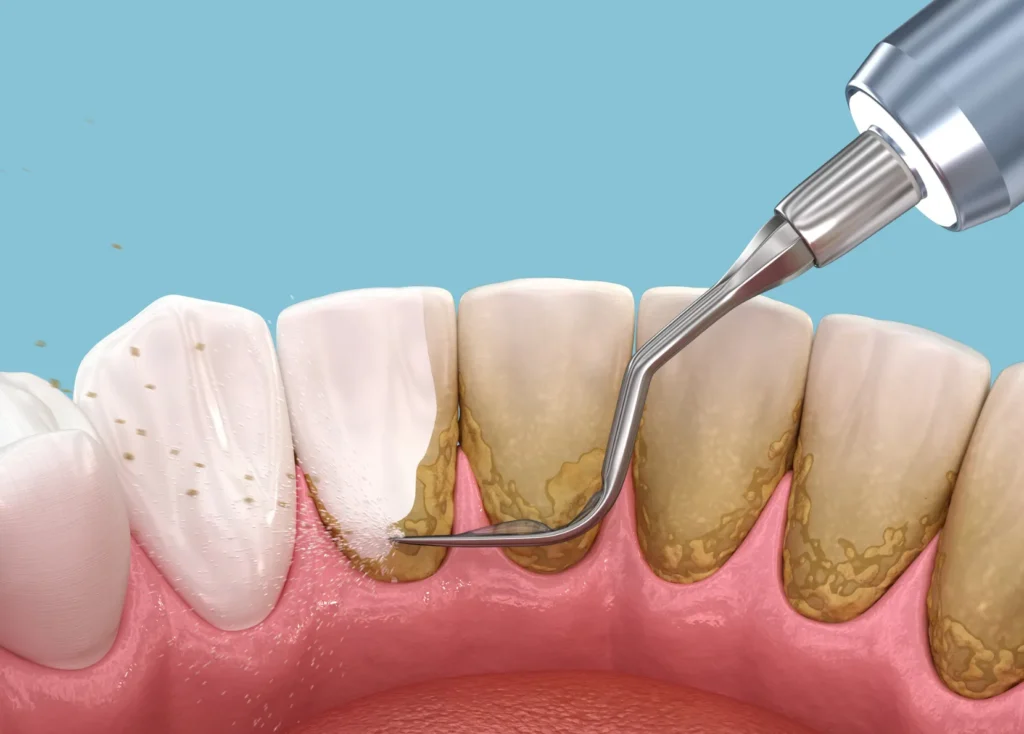
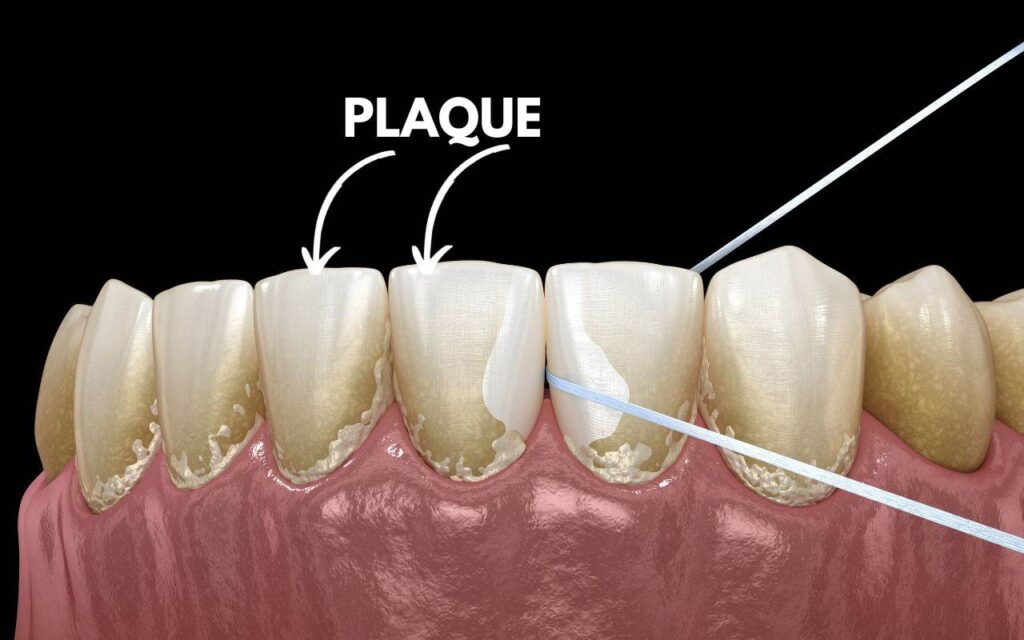
Another important aspect is location. Dental Plaque prefers hard to reach areas such as the gum line, between teeth, and behind molars. This selective buildup is why even people who brush regularly may still have persistent Dental Plaque in certain zones.
Why Dental Plaque Is More Than a Cosmetic Issue
At first glance, Dental Plaque might seem like a simple cleanliness concern. However, research consistently shows that Dental Plaque plays a central role in many oral conditions. The bacteria inside Dental Plaque interact directly with gum tissue, triggering inflammatory responses.
Over time, unmanaged Dental Plaque can mineralize and transform into hardened deposits. This change alters its behavior completely, making removal more complex. The transition from soft biofilm to mineralized buildup highlights why timing matters so much when discussing Dental Plaque removal.
From a broader perspective, scientists also study Dental Plaque as a model for biofilm behavior in the human body. Its structure, resistance, and adaptability provide insight into how bacterial communities survive in challenging environments. This is one reason Dental Plaque is frequently referenced in dental research papers and academic discussions.
How Dental Plaque Affects Teeth and Gums Over Time
The relationship between Dental Plaque and oral tissues is dynamic. In early stages, Dental Plaque mainly affects the enamel surface. Acidic byproducts weaken the mineral structure of teeth, especially when exposure is frequent.
As Dental Plaque remains along the gum line, soft tissues may become sensitive or inflamed. This reaction is not immediate but develops gradually. Many people do not notice these changes until visual signs appear. The slow progression explains why Dental Plaque related issues often feel sudden, even though they have been developing quietly.
Another overlooked factor is saliva. Saliva can neutralize some acids produced by Dental Plaque, but its effectiveness varies from person to person. Hydration levels, diet, and even genetics influence how the body responds to Dental Plaque activity.
Daily Habits That Influence Dental Plaque Accumulation
Lifestyle choices have a measurable impact on Dental Plaque formation. Eating frequency, rather than quantity alone, plays a major role. Frequent snacking creates repeated opportunities for Dental Plaque bacteria to feed and produce acids.
Texture also matters. Sticky foods tend to cling to tooth surfaces, supporting Dental Plaque development for longer periods. In contrast, fibrous foods may help reduce surface retention, although they do not eliminate Dental Plaque entirely.
Another influential habit is nighttime routine. Saliva production naturally decreases during sleep. This reduction creates an environment where Dental Plaque can become more active. That is why evening oral hygiene routines are often emphasized in discussions about Dental Plaque control.
Professional Perspectives on Removing Dental Plaque
From a clinical standpoint, Dental Plaque removal is viewed as an ongoing process rather than a one time action. Dental professionals study how different surfaces, restorations, and natural tooth contours affect Dental Plaque adhesion.
Modern research shows that Dental Plaque does not attach uniformly. Microscopic irregularities on enamel can increase bacterial retention. This insight explains why certain teeth accumulate Dental Plaque faster than others, even within the same mouth.
Professionals also differentiate between visible Dental Plaque and subgingival biofilm. The latter exists below the gum line and behaves differently. Understanding this distinction is essential when discussing why some forms of Dental Plaque are more difficult to manage without professional intervention.
Comparing Dental Plaque, Tartar, and Biofilm
Although often used interchangeably, these terms describe different stages of the same process. Dental Plaque is the initial soft biofilm stage. It is flexible, living, and constantly changing.
When Dental Plaque absorbs minerals from saliva, it hardens into tartar. At this point, the structure becomes more stable and resistant. The transformation from Dental Plaque to tartar highlights why early attention matters.
Biofilm is the broader scientific term. Dental Plaque is a specific type of biofilm found in the oral environment. This classification helps researchers compare Dental Plaque behavior to bacterial colonies found in medical devices, water systems, and other biological settings.
Can Dental Plaque Be Completely Eliminated?
One of the most common questions about Dental Plaque is whether it can ever be fully eliminated. Scientifically speaking, the answer is complex. Dental Plaque forms naturally as part of the oral ecosystem. Its presence alone is not unusual.
What matters is balance. Studies suggest that controlling Dental Plaque accumulation and maturity is more realistic than total elimination. This perspective shifts the focus from perfection to consistency.
The idea of zero Dental Plaque is often promoted in marketing messages, but researchers emphasize sustainability instead. Understanding how quickly Dental Plaque reforms helps set realistic expectations and reduces frustration.
Interesting Research Insights About Dental Plaque
Recent studies explore how Dental Plaque bacteria communicate with each other through chemical signals. This process, known as quorum sensing, allows the biofilm to adapt to environmental changes.
Another fascinating area of research examines how Dental Plaque composition varies between individuals. Two people with similar diets and habits may develop very different Dental Plaque profiles. This discovery supports the idea that personalized oral care strategies may become more common in the future.
There is also growing interest in how Dental Plaque interacts with the immune system. Some researchers investigate whether long term exposure to certain bacterial patterns influences inflammatory responses beyond the mouth.
Understanding Dental Plaque as a Living System
Rather than viewing Dental Plaque as a simple residue, it is more accurate to see it as a living system shaped by daily habits, biology, and time. This perspective makes the topic more approachable and less intimidating.
By understanding how Dental Plaque forms, behaves, and changes, individuals can make more informed decisions and ask better questions during dental visits. Knowledge transforms Dental Plaque from an invisible threat into a manageable part of oral awareness.
At Livera Clinic, discussions about Dental Plaque focus on education, science, and clarity. When people understand the process, they feel more confident navigating the information surrounding oral health.