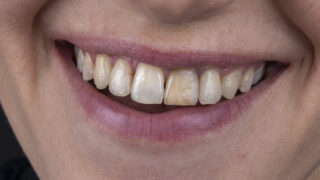
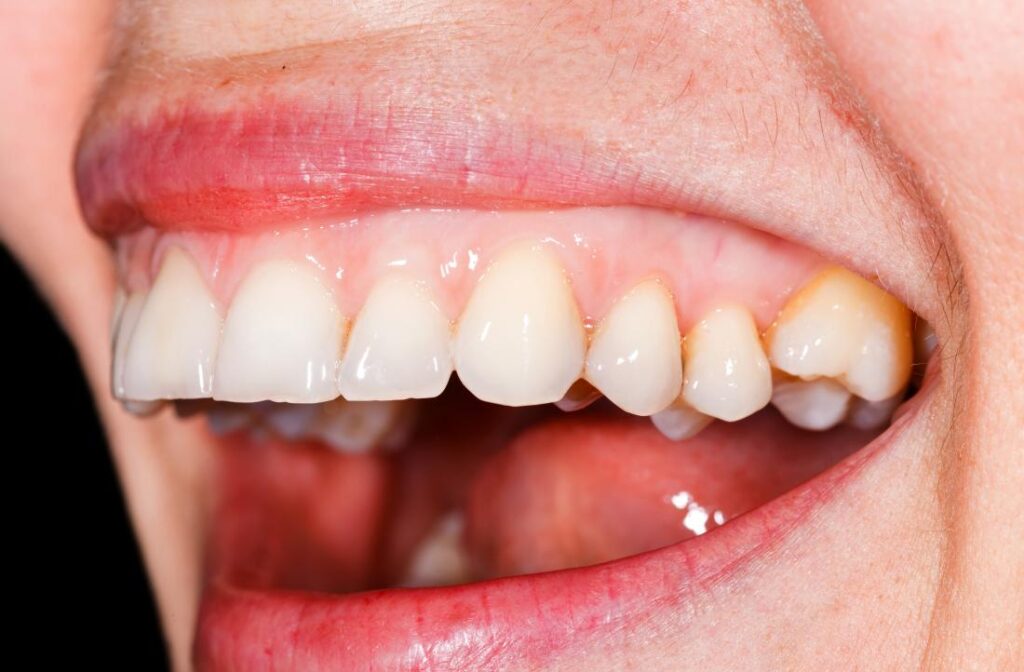
White Gums are one of those oral changes that instantly catch attention. They can appear suddenly, develop slowly, or fluctuate over time, which naturally leads people to ask questions. Is it harmless? Is it temporary? Does it indicate an underlying issue? In this comprehensive guide prepared by Livera Clinic, we explore White Gums from multiple angles using a scientific yet engaging tone, without making medical claims or recommendations.
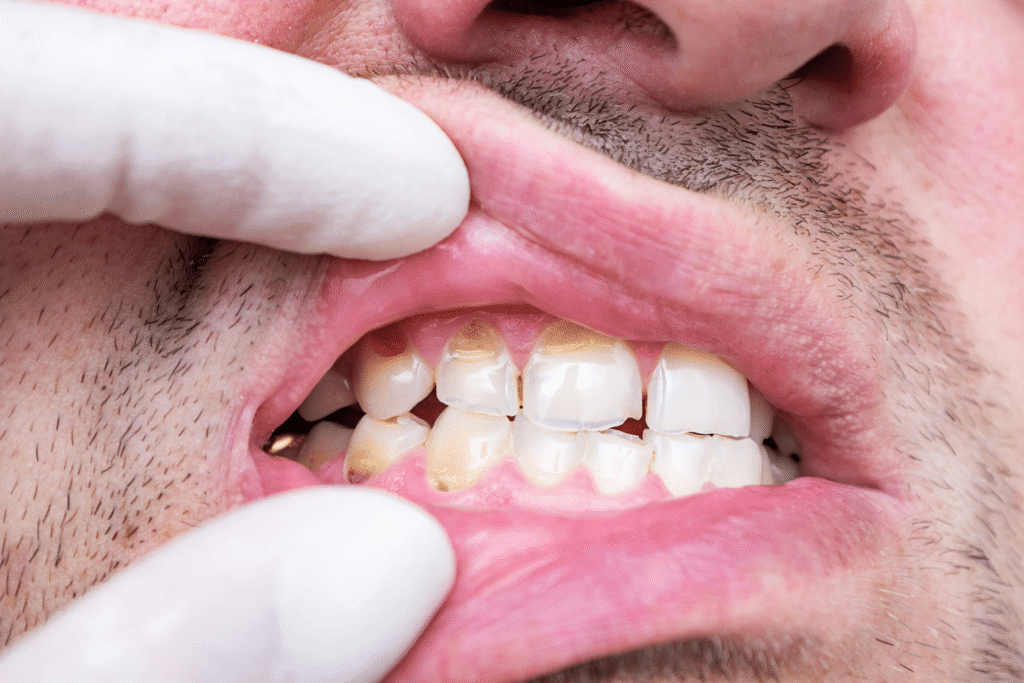
Understanding White Gums and Oral Tissue Changes
White Gums refer to a visible whitening or pale appearance of the gum tissue compared to its usual pink or coral tone. Gum color naturally varies between individuals, influenced by genetics, blood circulation, and tissue thickness. However, when gums appear noticeably lighter, patchy, or opaque, it often draws attention.
The gums are made of soft tissue rich in blood vessels. Any change affecting blood flow, surface texture, or epithelial layers can alter their color. In the case of White Gums, this shift does not happen randomly. It usually reflects a change on or beneath the gum surface.
Interestingly, oral researchers often emphasize that gum color alone does not tell the full story. White Gums are better understood as a visual signal rather than a diagnosis. Their meaning depends heavily on accompanying sensations, duration, and surrounding oral conditions.
Another important detail is that White Gums can look different under artificial light versus natural light. This optical effect sometimes leads people to notice the change only in photos or mirrors with strong lighting, adding another layer of confusion to the topic.
Common Causes Behind White Gums Appearance
When discussing White Gums, causes are rarely singular. Instead, multiple factors often overlap, creating a combined visual effect on the gum tissue.
One commonly discussed factor is surface irritation. When the outer gum layer responds to friction, temperature, or chemical exposure, it may temporarily lose its usual coloration. This does not necessarily mean damage, but rather a short term reaction of the tissue.
Another widely referenced cause of White Gums is reduced blood visibility near the surface. This can happen due to compression, dehydration of the tissue, or natural physiological responses to stress. In such cases, the gums may regain their normal tone once conditions stabilize.
Researchers also point out that oral microbiome shifts can influence how gums look. A change in bacterial balance may affect the surface texture, leading to a lighter or uneven appearance associated with White Gums.
Lifestyle patterns also play a role. Habits involving temperature extremes, oral products with strong ingredients, or repetitive mechanical contact may indirectly contribute to the appearance of White Gums over time.
White Gums and Associated Symptoms to Observe
While White Gums can appear alone, they are sometimes noticed alongside other subtle changes. Observing these details helps create a clearer picture of what might be happening.
Texture is often one of the first noticeable differences. Some people describe White Gums as feeling smoother, tighter, or slightly different when touched by the tongue. These textural shifts may or may not be accompanied by discomfort.
Another aspect is sensitivity. Although not always present, White Gums may coincide with increased awareness of hot or cold sensations. This sensitivity is not necessarily pain but rather heightened perception in the affected area.
Visual patterns also matter. White Gums can appear as uniform pale areas, irregular patches, or thin lines along the gum margin. Each pattern may suggest a different underlying mechanism, which is why visual observation alone is rarely enough to draw conclusions.
Importantly, many cases of White Gums involve no additional symptoms at all. This asymptomatic nature is one reason why the topic generates so many questions and online searches.
How White Gums Differ From Other Gum Color Changes
It is easy to confuse White Gums with other gum color variations. However, each color shift reflects different biological processes.
Red or swollen gums often indicate increased blood flow near the surface. In contrast, White Gums usually involve reduced visibility of blood vessels or surface layer changes. This opposite mechanism explains why the two appearances feel and look so different.
Grayish or bluish gums are typically linked to pigmentation or deeper tissue factors, whereas White Gums tend to be more superficial in nature. The whiteness often appears opaque rather than translucent.
Another point of comparison is pale gums associated with overall systemic factors. While these may resemble White Gums, they often affect the entire gum line uniformly, rather than appearing in localized sections.
Understanding these distinctions helps readers avoid oversimplifying White Gums and encourages a more nuanced view of oral tissue behavior.
White Gums and Daily Habits That Influence Appearance
Daily routines play a surprisingly significant role in how gums look. White Gums can sometimes be traced back to repeated exposures or habits that seem harmless on the surface.
Oral hygiene practices, for example, vary widely. Pressure, frequency, and product choice all influence gum tissue. In some cases, overly aggressive routines may temporarily alter surface appearance, contributing to White Gums.
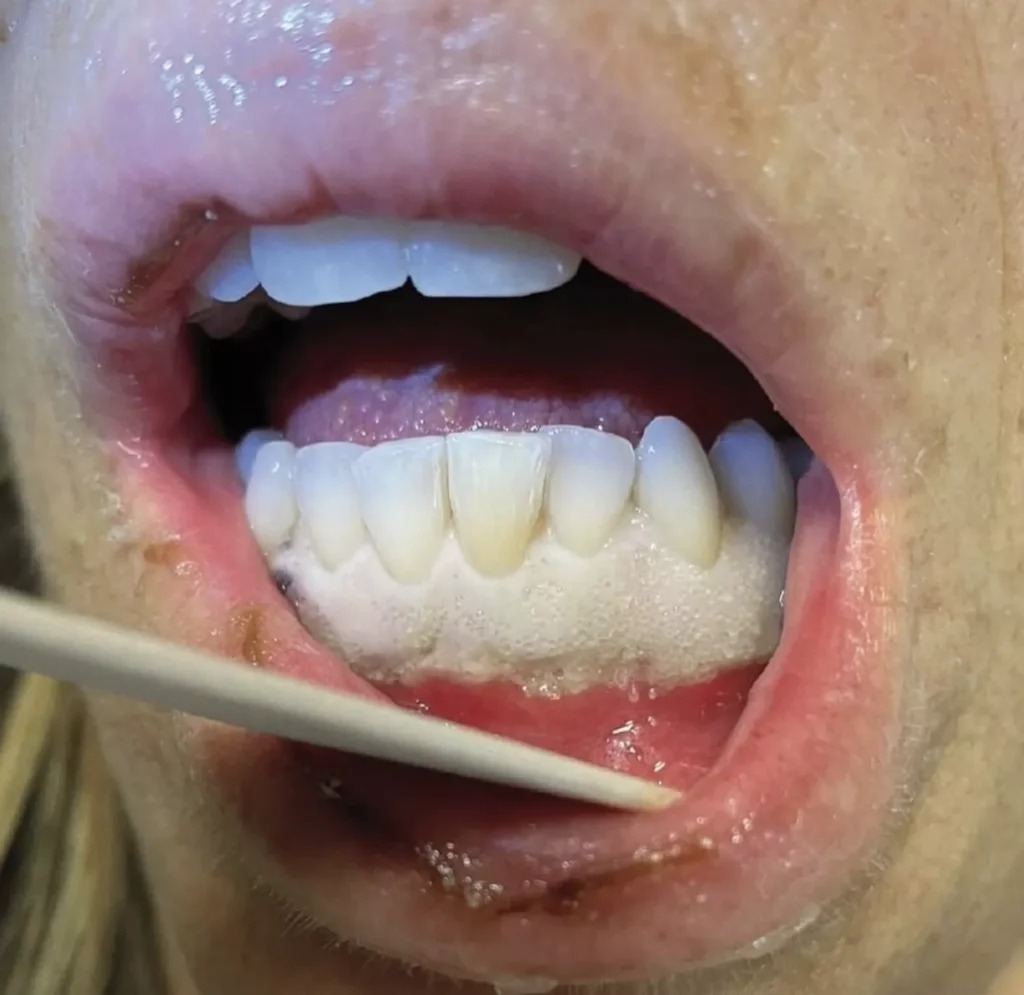
Hydration is another overlooked factor. Oral tissues respond quickly to moisture levels, and reduced hydration can subtly change how gums reflect light, making White Gums more noticeable.
Dietary patterns may also influence gum appearance indirectly. Certain textures or temperature extremes can affect surface tissues, especially when exposure is frequent. Over time, these small influences may accumulate.
Environmental factors such as dry air, seasonal changes, or prolonged mouth breathing can also contribute to the visual presentation of White Gums, especially during colder months.
The Role of Oral Environment in White Gums Formation
The mouth is a dynamic environment where temperature, bacteria, saliva, and mechanical forces interact continuously. White Gums often reflect how these elements balance or fall out of balance.
Saliva plays a protective and visual role. Its composition and flow influence gum hydration and surface sheen. Changes in salivary flow can subtly affect how gums appear, sometimes enhancing the whitened look of White Gums.
The oral microbiome is another key component. Research shows that shifts in microbial populations can influence tissue behavior and surface characteristics, even without discomfort. This makes White Gums an interesting topic within oral biology studies.
Air exposure also matters. Areas of the gums that are more exposed may appear lighter than those protected by the lips or cheeks. This uneven exposure can make White Gums appear patchy rather than uniform.
Taken together, these factors highlight that White Gums are often the result of environmental interaction rather than a single isolated trigger.
White Gums Treatment Perspectives and Observational Approaches
When people search for White Gums, treatment is often top of mind. However, it is important to approach this topic from an informational perspective rather than a prescriptive one.
Observation is frequently the first step discussed in academic and clinical literature. Monitoring whether White Gums change over time, remain stable, or fluctuate provides valuable context.
Another approach involves identifying patterns. Do the White Gums appear after specific activities, seasons, or habits? Pattern recognition often reveals more than isolated observation.
Professional evaluation is commonly mentioned in discussions around White Gums, especially when changes persist or evolve. Rather than offering direct advice, most sources emphasize the value of expert interpretation in understanding oral tissue variations.
It is also worth noting that not all cases of White Gums require intervention. In many instances, they represent temporary or benign changes in gum appearance.
Why White Gums Attract So Much Online Attention
The popularity of the term White Gums in online searches reflects a broader trend. People are increasingly aware of subtle changes in their oral health and seek detailed explanations.
Visual symptoms naturally create curiosity, especially when they are noticeable but painless. White Gums fit this category perfectly, appearing unusual without necessarily causing discomfort.
Another reason for interest is the abundance of mixed information online. Contradictory explanations often leave readers wanting a clearer, more balanced overview of White Gums, grounded in observation rather than alarm.
This article aims to fill that gap by offering a structured, research aware, and reader friendly exploration that respects complexity without exaggeration.
A Thoughtful Look at White Gums
White Gums are not a simple yes or no phenomenon. They are a visual expression of how oral tissues respond to internal and external influences. From environmental conditions to daily habits, from surface changes to biological responses, many factors can shape their appearance.
Understanding White Gums requires patience, observation, and context. Rather than drawing quick conclusions, a broader perspective helps make sense of why gums sometimes change color and what those changes might represent.
At Livera Clinic, we believe informed readers make more confident decisions. By approaching topics like White Gums with curiosity and critical thinking, it becomes easier to navigate oral health information without unnecessary concern.