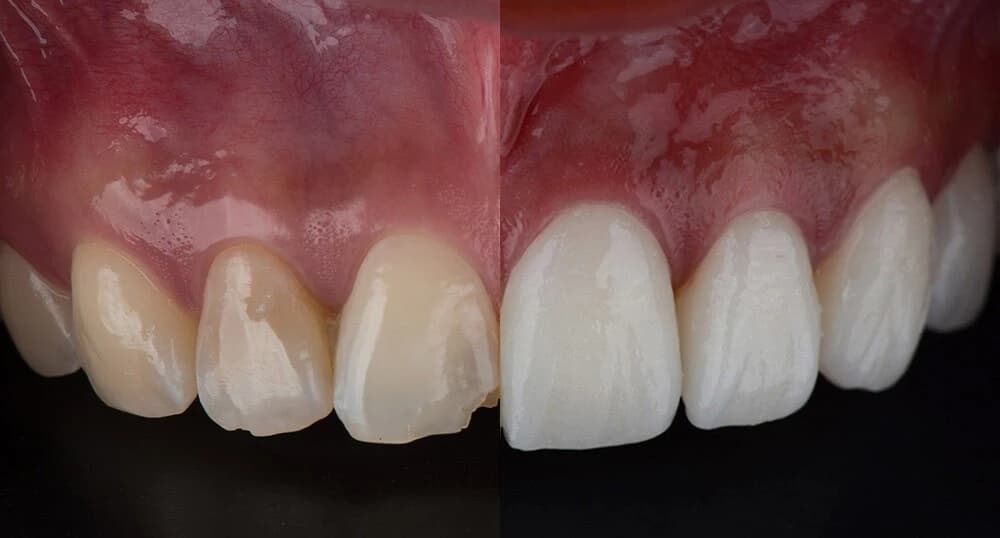
Porcelain veneers have become one of the most popular cosmetic dental solutions, offering a seamless way to enhance smiles while protecting the underlying tooth structure. These ultra-thin shells, crafted from high-quality ceramic, are designed to mimic the natural appearance of enamel. Understanding what porcelain veneers are and how they are made provides insight into both their aesthetic and functional benefits.
The popularity of porcelain veneers stems from their ability to correct a wide range of dental imperfections, including discoloration, minor misalignment, chips, and gaps. While seemingly simple in appearance, their fabrication involves intricate planning, precision craftsmanship, and advanced dental technology. Each veneer is tailored to the patient’s unique dental morphology, ensuring a natural and durable result. This process involves contact lens veneers (ultra-thin veneers as thin as 0.2mm).
The Science Behind Porcelain Veneers
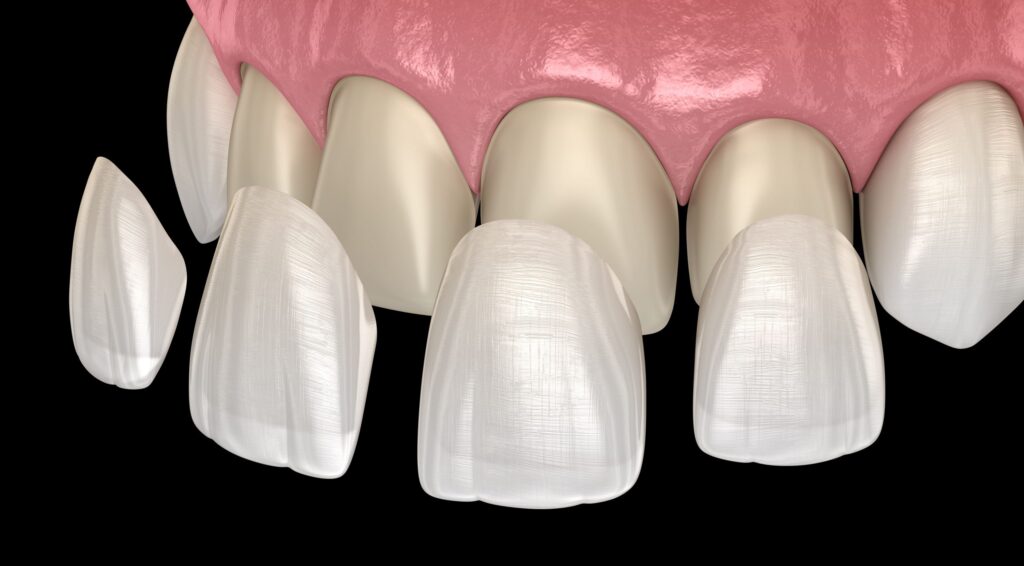
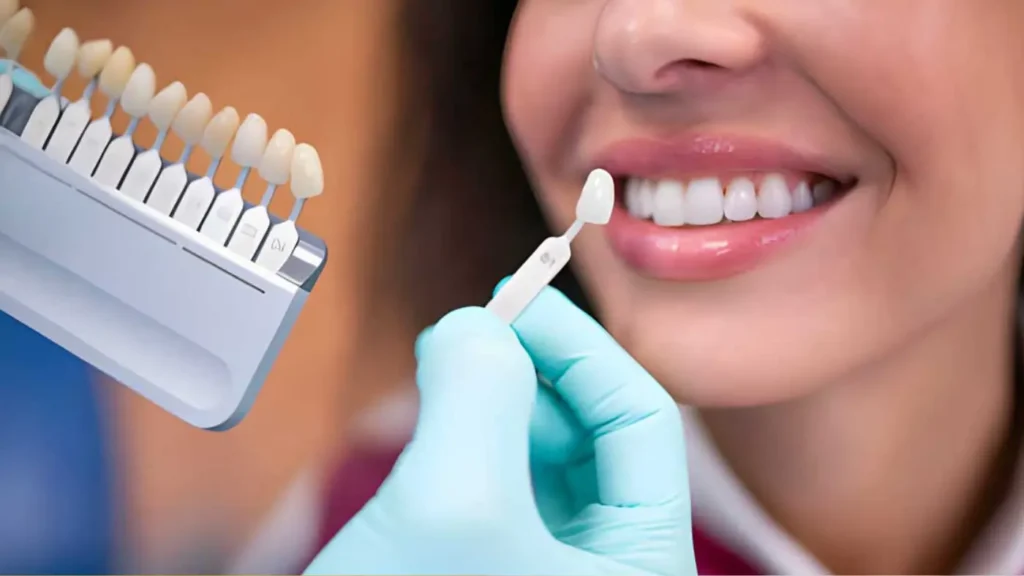
The material science of porcelain veneers is fundamental to their success. Porcelain, a ceramic material, is valued for its strength, translucency, and biocompatibility. The semi-translucent nature of porcelain allows veneers to replicate the natural depth and luster of enamel. Modern advances in dental ceramics have enabled manufacturers to create veneers that are thinner yet stronger, reducing the need for excessive tooth preparation. This process involves Vita shade guide (the standard color reference system used in dentistry).
Beyond aesthetics, the structural properties of porcelain veneers contribute to oral health. They provide a protective layer for weakened enamel, helping to distribute bite forces more evenly and minimize further wear. Research indicates that the longevity of veneers is closely tied to both material quality and the precision of the bonding process, highlighting the importance of skilled fabrication and placement.
Types of Porcelain Veneers
Porcelain veneers are not a one-size-fits-all solution. There are several types, each suited to different clinical situations and patient preferences:
- Traditional Veneers: Require minimal tooth reduction and are highly customizable in color and shape.
- No-Prep Veneers: Ultra-thin options that often require little to no enamel removal, ideal for mild aesthetic corrections.
- Lumineers®: A trademarked type of thin porcelain veneer designed for rapid application and reversible procedures.
Choosing the appropriate type depends on factors such as tooth alignment, enamel thickness, and cosmetic goals. Dental professionals assess these variables to recommend a veneer that balances durability with natural appearance.
Step-by-Step Fabrication of Porcelain Veneers
Creating porcelain veneers involves a multi-step process that combines artistry and science:
- Consultation and Planning: Dentists evaluate oral health, take impressions, and use digital imaging to design the ideal veneer shape.
- Tooth Preparation: Depending on the veneer type, minimal enamel is removed to ensure proper fit and bonding.
- Impression Taking: Highly accurate molds capture the details of the prepared teeth. These molds guide the lab technicians in crafting each veneer.
- Fabrication in the Dental Lab: Skilled ceramists layer porcelain to replicate enamel’s translucency and texture. Multiple firings and glazing enhance durability and aesthetics.
- Fitting and Bonding: Once the veneers are ready, they are carefully adjusted, polished, and bonded using advanced adhesive systems that create a strong, lasting seal.
This process can take several weeks, ensuring that each porcelain veneer is customized for optimal fit, function, and appearance.
Aesthetic Benefits of Porcelain Veneers
One of the primary reasons patients choose porcelain veneers is their transformative visual impact. The reflective and translucent qualities of porcelain allow veneers to blend seamlessly with natural teeth, creating a uniform, radiant smile. Minor imperfections, such as cracks or discoloration, are effectively masked without compromising the tooth’s natural look.
Additionally, veneers can be designed to adjust tooth shape, length, and alignment subtly. This means that patients can achieve a harmonious smile while preserving the underlying tooth structure, an approach that is less invasive than full crowns or orthodontic treatment in many cases.
Longevity and Maintenance
Porcelain veneers are durable but require careful maintenance to maximize lifespan. Typically, veneers last between 10 to 20 years depending on oral habits and care. Avoiding excessive force, such as nail-biting or using teeth to open packages, helps prevent fractures.
Oral hygiene practices remain crucial. Brushing with non-abrasive toothpaste, flossing daily, and attending regular dental check-ups ensure that veneers and surrounding gums remain healthy. While porcelain is stain-resistant, lifestyle choices like minimizing coffee, tea, and red wine can maintain the original brightness of the veneers over time.
Considerations Before Getting Porcelain Veneers
While porcelain veneers offer impressive cosmetic results, there are considerations patients should understand. The procedure is often irreversible if enamel removal is involved, so long-term commitment is essential. Sensitivity may occur after preparation, although this usually diminishes over time.
Cost is another factor. Veneers can be a significant investment, influenced by material quality, laboratory expertise, and the number of teeth being treated. However, the combination of aesthetic improvement and protective function often justifies the expense for many patients.
Advanced Fabrication Techniques for Porcelain Veneers
Modern dentistry has transformed the way porcelain veneers are created, combining digital technology with skilled craftsmanship. Computer-Aided Design and Computer-Aided Manufacturing (CAD/CAM) allow for precise modeling of each veneer, reducing human error and ensuring a perfect fit. Digital scans are increasingly replacing traditional impressions, enhancing both accuracy and patient comfort.
Layering techniques in the dental lab further refine the aesthetic quality of porcelain veneers. Technicians apply multiple layers of porcelain to replicate natural enamel’s translucency and subtle color variations. These layers are then fired at high temperatures to achieve both strength and a natural shine, ensuring the veneers look authentic while remaining durable enough for everyday use.
Materials and Innovations in Porcelain Veneers
Advancements in materials have expanded the options for porcelain veneers. While feldspathic porcelain was traditionally used, newer ceramics such as lithium disilicate and zirconia offer greater strength and resistance to chipping. Modern veneers can be made as thin as 0.3 mm, often requiring minimal enamel removal, which helps preserve the natural tooth structure. Innovations in adhesive systems also improve bond strength, allowing veneers to remain secure even under functional stress, supported by advanced dental bonding.
Comparative Analysis: Porcelain Veneers vs Other Cosmetic Options
When comparing aesthetic dental treatments, porcelain veneers often outperform alternatives such as composite bonding, dental crowns, or orthodontic solutions in balancing aesthetics and protection. Veneers provide long-lasting coverage, enhance smile uniformity, and protect underlying dentin. Unlike composite bonding, which offers moderate aesthetics and shorter lifespan, veneers are more durable and achieve a natural appearance that is difficult to replicate with other treatments, supported by advanced shade matching.
Psychological and Social Impact of Porcelain Veneers
The effects of porcelain veneers extend beyond aesthetics. Patients frequently report increased confidence, higher self-esteem, and positive changes in social interactions. A natural, harmonious smile can influence how individuals perceive themselves and are perceived by others, highlighting the psychological impact of cosmetic dental treatments. Subtle corrections achieved with veneers not only enhance appearance but also improve overall emotional well-being, emphasizing the holistic benefits of these restorations. This process involves minimal prep veneers (veneers requiring only slight enamel reduction).
Step-by-Step Patient Journey with Porcelain Veneers
The patient journey with porcelain veneers involves several key stages, each designed to ensure optimal outcomes. The process begins with an initial consultation to evaluate oral health and discuss cosmetic goals. Digital imaging or temporary mock-ups help patients visualize the expected results. Depending on the type of veneer, minimal enamel reshaping may be performed before laboratory fabrication. Custom veneers are then crafted based on precise measurements and aesthetic considerations. During the final stage, veneers are carefully adjusted and bonded, followed by follow-up evaluations to ensure long-term satisfaction, supported by advanced porcelain laminate.
Maintenance and Long-Term Care of Porcelain Veneers
Longevity and performance of porcelain veneers depend heavily on proper maintenance. Daily oral hygiene, including gentle brushing with non-abrasive toothpaste and flossing, prevents plaque accumulation around the veneers. Avoiding habits such as biting hard objects and minimizing staining foods or beverages helps preserve both appearance and function. Regular dental check-ups are essential for monitoring veneer integrity, addressing minor issues promptly, and reinforcing best care practices. By following these guidelines, patients can enjoy both aesthetic and functional benefits from porcelain veneers for many years. This process involves feldspathic ceramic (a type of dental ceramic known for exceptional translucency).
Clinical Applications of Porcelain Veneers
Porcelain veneers are versatile solutions for a wide range of cosmetic and functional concerns. They can correct discoloration that doesn’t respond to whitening, close minor gaps between teeth, and repair worn or slightly misaligned teeth. Because veneers are thin and precisely shaped, they offer a conservative approach to enhancing the smile without extensive dental work.
Dentists also use porcelain veneers for patients seeking full smile makeovers. In these cases, multiple veneers are applied to achieve symmetry and balance. Each veneer is custom-designed to match tooth shape, size, and color, ensuring a cohesive look. Clinical studies show that patients receiving full-arch veneers report significant improvements in self-confidence and overall satisfaction with their appearance.
Longevity and Durability Insights
The lifespan of porcelain veneers typically ranges from 10 to 15 years, depending on oral hygiene, dietary habits, and regular dental care. Modern ceramics are highly resistant to wear, chipping, and staining. Advanced bonding techniques further enhance the durability of the veneers, allowing them to withstand normal biting forces without compromising aesthetics.
Emerging research focuses on improving veneer resilience under functional stress. For example, lithium disilicate veneers demonstrate higher fracture resistance than traditional feldspathic options. This makes them suitable for patients who grind their teeth or apply greater pressure when chewing. Understanding these material properties helps patients make informed decisions about their long-term dental investments, supported by advanced temporary veneers.
Minimally Invasive Approaches in Veneer Placement
One of the most significant advances in cosmetic dentistry is the shift toward minimally invasive porcelain veneer placement. Ultra-thin veneers, sometimes as slim as 0.3 mm, require little to no enamel removal, preserving the natural tooth structure. This approach reduces post-procedure sensitivity and shortens recovery time, making the treatment more patient-friendly.
Additionally, digital scanning and 3D modeling allow dentists to pre-visualize veneer placement, ensuring precise alignment and fit. These technologies improve outcomes and reduce the likelihood of adjustments after bonding, increasing patient satisfaction.
Emerging Research and Innovations
Recent innovations in porcelain veneers research include biomimetic materials and adhesive technologies. Biomimetic ceramics aim to mimic the natural elasticity and translucency of enamel, providing a lifelike appearance while enhancing durability. Meanwhile, advanced bonding agents improve long-term adhesion and reduce microleakage, which can lead to staining or detachment.
Researchers are also exploring combined approaches, such as using veneers alongside orthodontics or enamel microabrasion. These strategies allow for complex smile corrections while maintaining a minimally invasive approach, offering patients a balance between aesthetics and dental health.
Patient Considerations and Customization
Each patient’s needs for porcelain veneers are unique. Factors such as tooth color, alignment, enamel thickness, and bite dynamics influence veneer design. Comprehensive consultation and digital mock-ups help ensure that patients understand their options and expected outcomes. Personalized veneers are more likely to integrate seamlessly with natural teeth, providing a harmonious, realistic appearance.
Patients should also consider lifestyle factors, including diet, oral habits, and potential for trauma, which can affect veneer longevity. By addressing these considerations in advance, dentists can create a tailored plan that maximizes both cosmetic impact and functional durability.
Future Directions in Porcelain Veneer Technology
The future of porcelain veneers lies in combining aesthetics, durability, and minimally invasive techniques. Ongoing research is exploring even thinner, stronger materials, enhanced color matching, and faster fabrication methods using AI-assisted design. These advancements aim to make veneers more accessible, comfortable, and long-lasting for a broader range of patients.
As materials and techniques evolve, porcelain veneers are likely to become an integral part of cosmetic dentistry, offering solutions that balance beauty, function, and preservation of natural tooth structure.