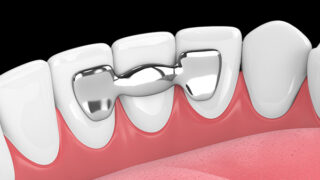
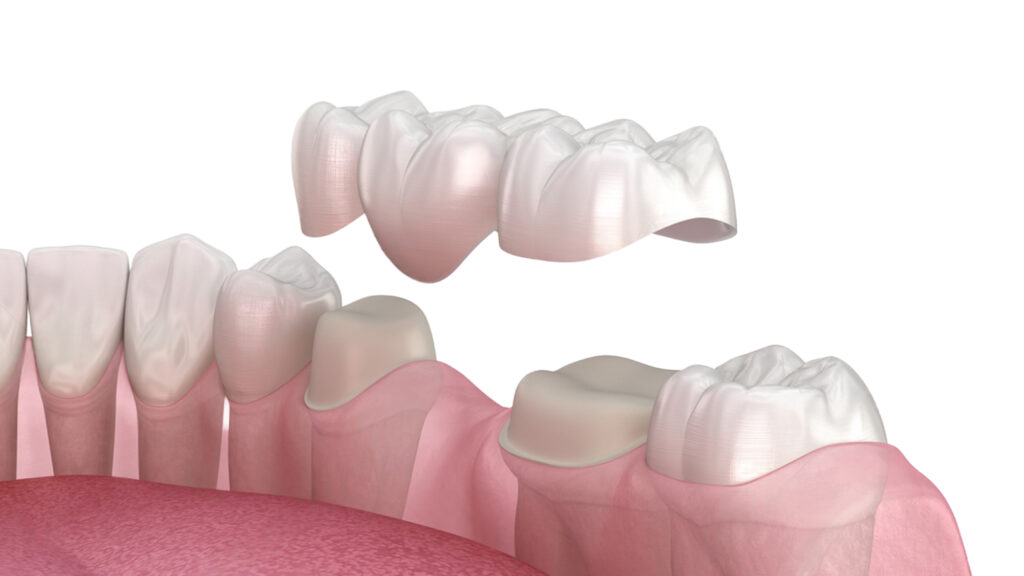
Dental Veneers have become one of the most discussed topics in modern aesthetic dentistry, not because they promise perfection, but because they sit at the intersection of science, design, and personal expression. At Livera Clinic, this topic is approached not as a trend, but as a long evolving concept shaped by materials science, biomechanics, patient psychology, and global pricing dynamics. When people search for Dental Veneers, they are rarely asking a single question. Instead, they are exploring types, costs, durability, realism, and how these thin restorations fit into real life rather than idealized smiles, supported by advanced porcelain laminate.
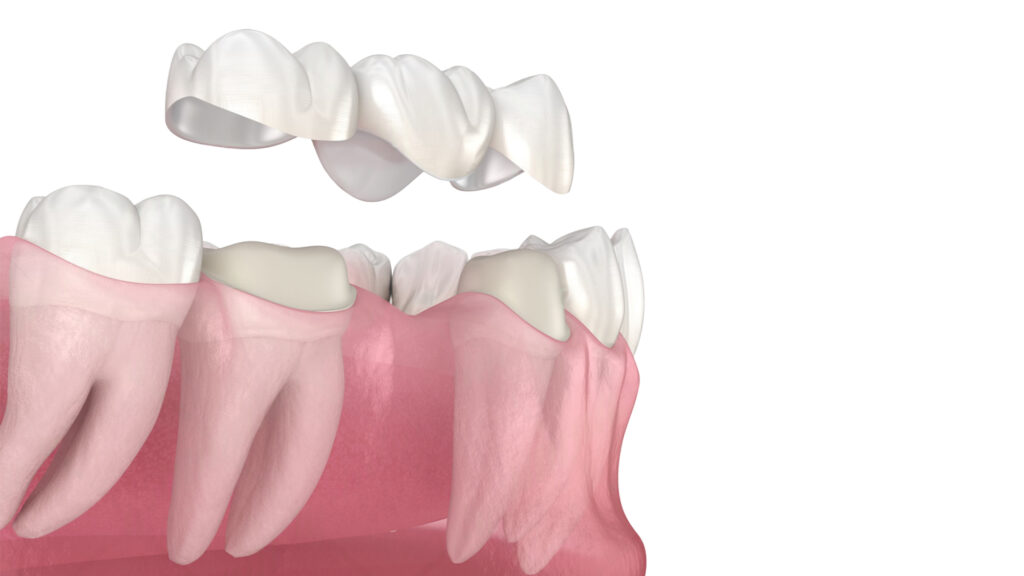
Understanding Dental Veneers as a Restorative Concept
Dental Veneers are not a single product or technique. They are a category of thin dental restorations designed to interact with natural tooth structure, light reflection, and bite forces. In academic literature, they are often described as conservative aesthetic restorations, yet their interpretation varies widely depending on material, thickness, and bonding philosophy. This process involves feldspathic ceramic (a type of dental ceramic known for exceptional translucency).
From a scientific perspective, Dental Veneers work because of adhesion. Advances in resin cements, surface etching, and ceramic microstructures allow these restorations to bond at a microscopic level. This bonding creates a functional unit between enamel and veneer material rather than a simple surface cover, supported by advanced shade matching.
Another often overlooked aspect of Dental Veneers is perception. Studies in dental psychology show that patient satisfaction is influenced as much by symmetry, color harmony, and facial proportions as by the veneer itself. This is why modern veneer planning frequently involves digital smile simulations, facial analysis, and trial restorations before final placement. This process involves minimal prep veneers (veneers requiring only slight enamel reduction).
Porcelain Dental Veneers and Their Price Structure
Porcelain Dental Veneers are frequently discussed as a premium option due to their optical properties and material stability. Feldspathic porcelain and lithium disilicate ceramics are the most commonly referenced materials in this group, each with different translucency and strength profiles.
From a pricing perspective, porcelain Dental Veneers tend to reflect laboratory involvement. The cost is influenced by ceramic quality, fabrication method, and the expertise of the dental technician. In many regions, prices also reflect time spent on customization rather than the material alone. This process involves contact lens veneers (ultra-thin veneers as thin as 0.2mm).
What makes porcelain Dental Veneers particularly interesting is how they age. Research suggests that their color stability over time is linked to glaze quality and oral habits rather than just the ceramic itself. This explains why price ranges can vary widely even within the same material category, depending on production standards and clinical protocols, supported by advanced no-prep veneers.
Composite Dental Veneers and Cost Accessibility
Composite Dental Veneers occupy a different space in both technique and pricing. Unlike porcelain options, they are often shaped directly on the tooth using resin based materials. This allows for same day application and more flexible adjustments.
The pricing of composite Dental Veneers is generally lower, but this does not automatically indicate lower value. Instead, it reflects reduced laboratory costs and shorter chair time. In certain clinical scenarios, composites are preferred because they allow reversible or minimally invasive approaches. This process involves Vita shade guide (the standard color reference system used in dentistry).
Material science plays a significant role here. Modern composite resins include nano fillers and improved polymer chains that enhance polish retention and wear resistance. While long term data differs from porcelain, composite Dental Veneers continue to evolve, especially in patients seeking adaptable aesthetic solutions, supported by advanced dental bonding.
No Prep Dental Veneers and Their Economic Position
No prep Dental Veneers are often discussed with curiosity and skepticism in equal measure. Scientifically, the concept refers to veneers placed with minimal or no enamel reduction. This shifts the focus toward case selection and material thickness.
From a cost standpoint, no prep Dental Veneers do not necessarily mean lower prices. In fact, they can sometimes be positioned higher due to planning complexity and material demands. Achieving natural contours without tooth reduction requires precise digital planning and ultra thin ceramics.
The economic positioning of no prep Dental Veneers is closely tied to predictability. Clinics that invest in advanced diagnostics and mock up protocols often reflect these investments in pricing structures rather than offering blanket cost reductions.
Temporary and Trial Dental Veneers in Pricing Models
Temporary and trial Dental Veneers play an important role in modern veneer workflows. These are not final restorations but prototypes that allow both clinician and patient to evaluate form, speech, and comfort.
Pricing for these stages is rarely discussed openly, yet they contribute to overall treatment economics. In some clinics, trial Dental Veneers are bundled into comprehensive packages, while others itemize them separately.
From a research perspective, trial restorations improve patient satisfaction and reduce revision rates. This indirect value often explains why some veneer treatments appear more expensive at first glance but offer higher predictability in outcomes.
Global Price Ranges for Dental Veneers
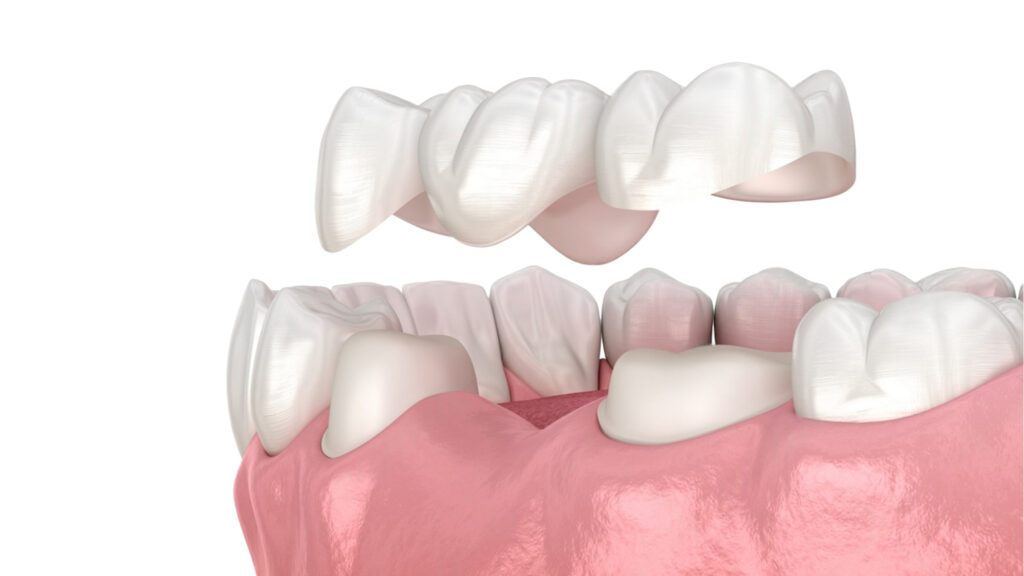
The price of Dental Veneers varies significantly across regions due to labor costs, laboratory infrastructure, and regulatory frameworks. Academic surveys show that pricing differences are not always correlated with material quality alone.
Below is a general comparative table reflecting observed global tendencies rather than fixed costs:
| Region | Common Veneer Types | Relative Price Level |
| Western Europe | Porcelain, No Prep | High |
| Eastern Europe | Porcelain, Composite | Medium |
| Middle East | Porcelain, Hybrid | Medium to High |
| North America | Porcelain, Digital Veneers | High |
| Asia | Composite, Porcelain | Low to Medium |
These variations highlight why patients researching Dental Veneers often look beyond their local markets. At Livera Clinic, global pricing analysis is treated as an economic study rather than a marketing comparison.
Longevity and Value Analysis of Dental Veneers
When discussing prices, longevity often enters the conversation. However, value analysis of Dental Veneers is more complex than lifespan alone. Factors such as maintenance, repairability, and adaptability all influence perceived value.
Scientific reviews indicate that veneer survival rates depend heavily on occlusal forces and bonding quality. This explains why two veneers made from identical materials can perform differently over time.
From an analytical standpoint, Dental Veneers should be evaluated as part of a system rather than isolated restorations. This system includes bite dynamics, oral hygiene behaviors, and material compatibility.
Choosing Between Types of Dental Veneers Based on Research
Rather than recommending a specific option, research encourages matching veneer type to individual conditions. Porcelain, composite, and no prep Dental Veneers each occupy a unique position in restorative philosophy.
What makes modern veneer selection fascinating is its interdisciplinary nature. It blends material science, biomechanics, psychology, and economics. This is why discussions around Dental Veneers continue to expand rather than settle into fixed rules.
At Livera Clinic, this topic is approached as an evolving field, informed by studies, patient feedback, and long term observation rather than definitive claims.
A Thoughtful Perspective on Dental Veneers
Dental Veneers are not simply cosmetic additions. They are a reflection of how dentistry balances science and aesthetics in response to human expectations. Their types and prices are shaped by technology, expertise, and global dynamics rather than a single formula.
Understanding Dental Veneers through this broader lens allows individuals to ask better questions and interpret information more critically. Instead of focusing solely on cost, the real value lies in understanding how materials, techniques, and planning come together.
This comprehensive view is what transforms Dental Veneers from a product into a concept worth exploring deeply.