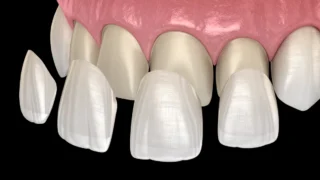

Choosing the right toothpaste has become more than a simple daily routine; it is a subject of scientific debate and consumer curiosity. With numerous options on the market, the question arises: should toothpaste contain fluoride or is a fluoride-free alternative just as effective?
What is Fluoride and Its Role in Toothpaste
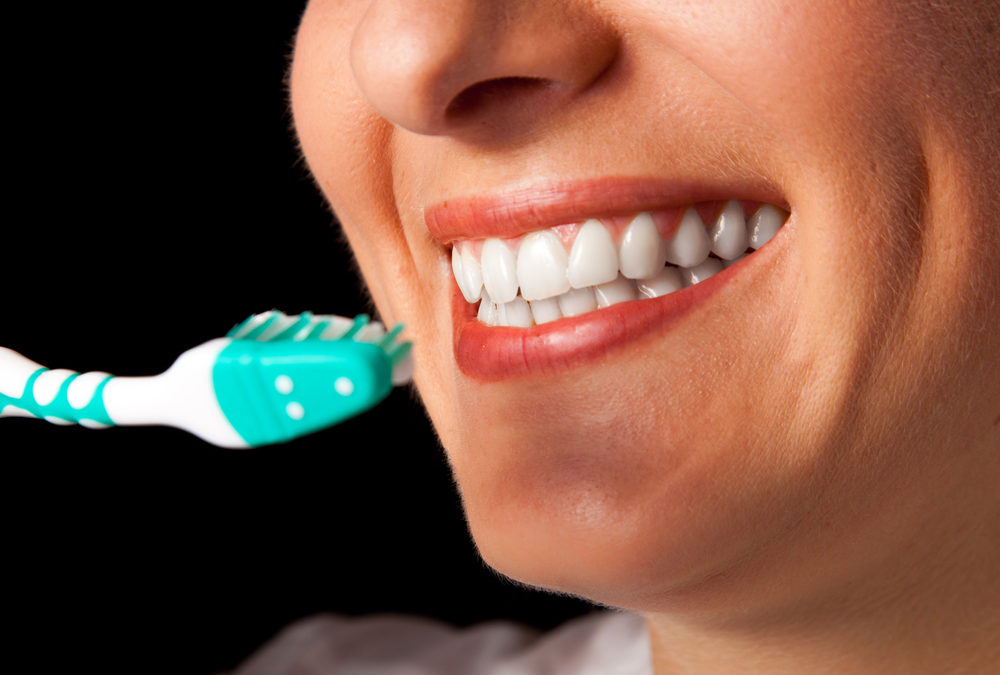
Fluoride is a naturally occurring mineral widely recognized for its dental benefits. When added to toothpaste, it can strengthen tooth enamel and reduce the risk of cavities. Research indicates that fluoride helps in the remineralization process, allowing teeth to repair early stages of decay before they become cavities.
Interestingly, fluoride is not only present in toothpaste but also in water supplies in several countries, creating a dual source of dental protection. However, the exact amount of fluoride necessary for optimal dental health without causing side effects is a matter of ongoing research and debate.
Advantages of Using Fluoride-Containing Toothpaste
Using a fluoride-infused toothpaste comes with several potential benefits, making it a standard recommendation in dental care:
- Cavity Prevention: Fluoride forms a protective layer on teeth, reducing acid erosion from food and bacteria.
- Enamel Strengthening: It aids in remineralization, which helps reverse minor enamel loss.
- Cost-Effective Prevention: Studies suggest fluoride toothpaste reduces long-term dental costs by minimizing decay.
Although these benefits are well-documented, the degree of protection may vary depending on individual oral hygiene practices, diet, and exposure to other fluoride sources.
Potential Concerns About Fluoride in Toothpaste
While fluoride is praised for its dental benefits, concerns persist about overexposure. Excessive fluoride can lead to dental fluorosis, a condition causing discoloration or pitting in teeth. Children are particularly vulnerable if they swallow large amounts of toothpaste during brushing.
Some critics also argue that long-term fluoride use might have systemic effects, though current research suggests that standard toothpaste use remains safe for most populations. These concerns have fueled the rise of fluoride-free toothpaste alternatives, prompting consumers to weigh risks and benefits carefully.
Fluoride-Free Toothpaste: Pros and Cons
Fluoride-free toothpaste is increasingly popular among those seeking natural or alternative oral care. These products often contain ingredients like xylitol, baking soda, or herbal extracts aimed at cleaning teeth and freshening breath without fluoride.
Pros of fluoride-free toothpaste include reduced risk of fluorosis, gentler formulas for sensitive mouths, and appeal to eco-conscious consumers. However, scientific studies generally show that fluoride-free options may not be as effective in preventing cavities, particularly in high-risk individuals.
Fluoride vs. Fluoride-Free Toothpaste
| Feature | Fluoride Toothpaste | Fluoride-Free Toothpaste |
| Cavity Protection | High | Moderate |
| Enamel Strengthening | Strong | Minimal |
| Risk of Fluorosis | Possible if overused | None |
| Market Availability | Widely available | Growing |
| Natural Ingredients | Limited | Often emphasized |
Choosing the Right Toothpaste for Your Needs
Selecting the ideal toothpaste depends on multiple factors, including age, dietary habits, and oral health status. For individuals prone to cavities or those in areas with non-fluoridated water, fluoride toothpaste might be more beneficial. On the other hand, fluoride-free options can be suitable for adults with low cavity risk, young children under supervision, or those seeking chemical-free products.
Dentists often recommend pairing toothpaste choice with routine oral hygiene practices such as proper brushing techniques, flossing, and regular dental check-ups. This approach ensures that the benefits of any toothpaste, fluoride or not, are maximized.
Emerging Trends in Toothpaste Formulation
Innovation in oral care has led to advanced toothpaste formulations. Some products now combine fluoride with natural antibacterial agents, probiotics, or enamel-repairing compounds. These hybrid formulas aim to deliver cavity prevention while appealing to consumers seeking holistic care.
Moreover, smart toothpaste packaging and dosing systems have been introduced to prevent overuse, particularly for children. These developments reflect a broader trend of science-driven yet consumer-conscious oral care.
The Science Behind Fluoride Controversy
Despite decades of research, the debate over fluoride remains active. Some studies suggest that excessive fluoride may interfere with mineral absorption or bone development, though such effects are rare with normal toothpaste usage. Regulatory agencies worldwide, including the World Health Organization and the American Dental Association, continue to endorse fluoride toothpaste as a safe and effective preventive tool when used correctly.
Interestingly, ongoing research explores fluoride’s role in oral microbiome balance, acid neutralization, and even potential systemic benefits, highlighting that the discussion is far from settled.
Making an Informed Choice
The question of whether toothpaste should contain fluoride has no universal answer. Scientific evidence supports fluoride’s benefits in cavity prevention and enamel strengthening, yet individual preferences, risk factors, and lifestyle choices influence the best choice for each person.
Ultimately, understanding the properties, benefits, and potential drawbacks of fluoride versus fluoride-free toothpaste empowers consumers to make informed decisions. Coupled with proper brushing techniques and regular dental care, the right toothpaste can significantly contribute to maintaining oral health.