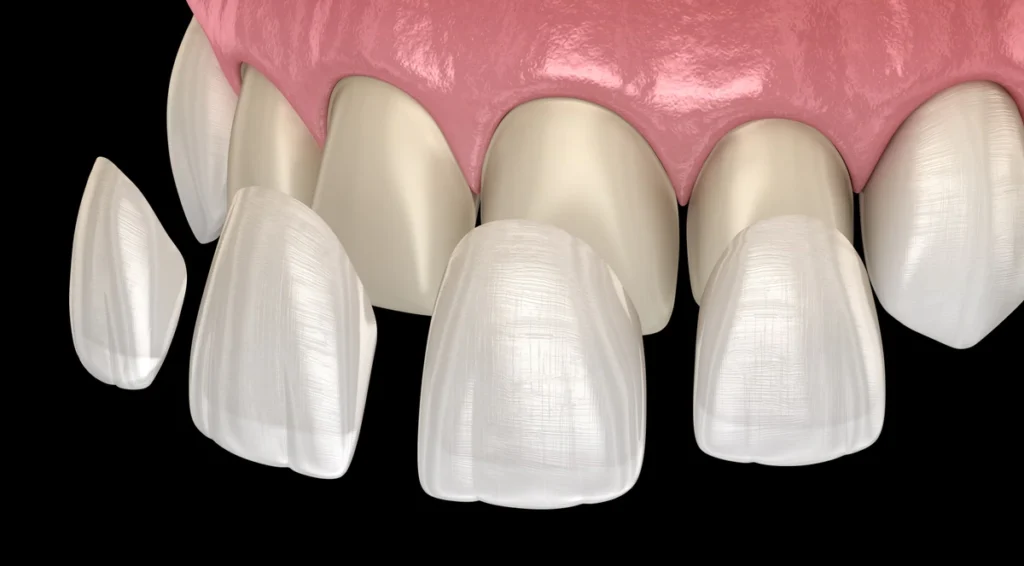
veneers have become one of the most intriguing elements of modern smile design, and people often wonder how these delicate yet durable layers are created. When someone looks closely at veneers, the process behind them reveals a mix of craftsmanship, biomaterials research, digital scanning, and aesthetic decisions shaped by both science and artistry. Understanding how a thin shell becomes a personalized surface is not only fascinating but also gives insight into why people see these restorations as more than a cosmetic detail, supported by advanced porcelain laminate.
The journey of crafting veneers is influenced by laboratory technology, the natural variations of tooth tissue, and the way materials mimic light. Rather than relying on rigid steps, the process unfolds like a collaboration between precision tools and human interpretation. Every layer of ceramic or composite is applied with the idea that each tooth has a story, a shape, and a character of its own.
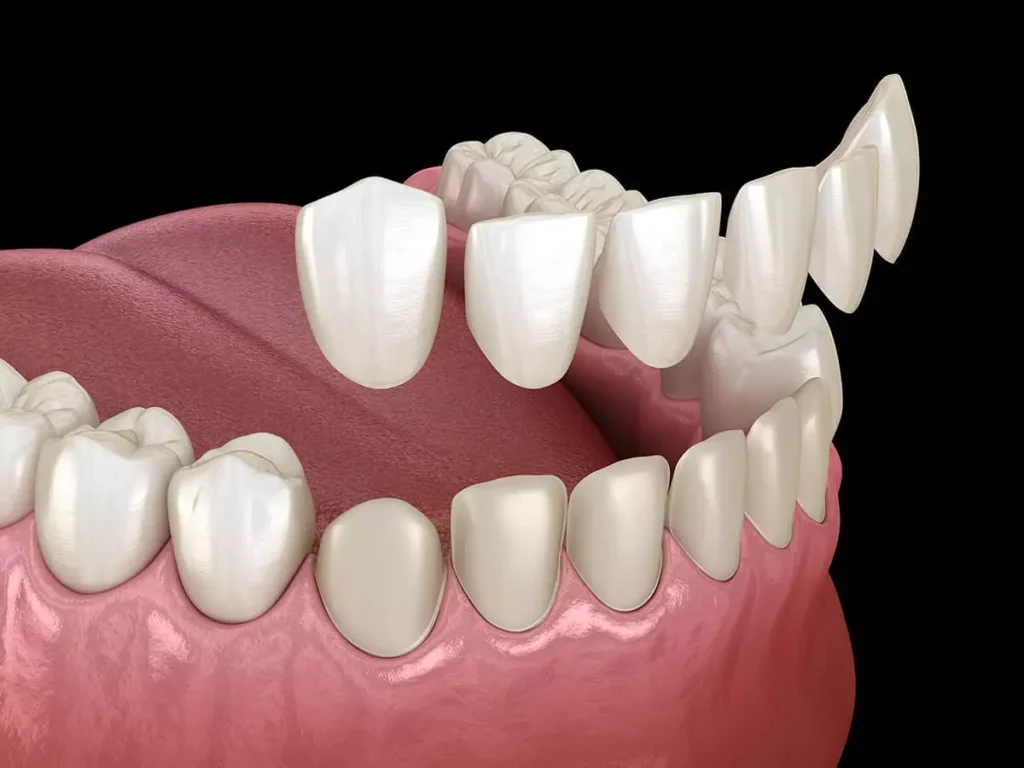
Initial Examination and the Meaning Behind Veneer Planning
Before any material is shaped, the planning stage sets the foundation for what the final surface will represent. In this phase, professionals analyze proportions, tooth coloration patterns, microscopic ridges, and subtle curves. This early step is less about making immediate changes and more about understanding how the natural mouth environment behaves. People often don’t realize how many micro factors influence the final design, from translucency zones to functional paths created during speaking or chewing. This process involves feldspathic ceramic (a type of dental ceramic known for exceptional translucency).
Another interesting feature of this stage is the way digital tools and visual assessments combine. Advanced imaging gives a virtual preview, yet real depth perception still depends on human evaluation. This means the planning is both technological and sensory. The entire process has a unique balance between measurable data and personal interpretation.
Tooth Surface Preparation and Its Role in Veneer Formation
When it comes to preparing the tooth surface, the goal is to create the right foundation rather than dramatically altering structure. The preparation varies based on material choice, tooth anatomy, and the desired final appearance. For example, ultra thin ceramics may require minimal shaping, while thicker versions need a slightly different surface environment to sit precisely.
One of the most discussed elements of preparation is how small the adjustments actually are. People often imagine aggressive reshaping, yet modern techniques aim for a subtle contouring approach. The idea is to make space for the veneer without removing details that naturally support the material. Light reflection, color stability, and structural harmony depend heavily on how the surface is prepared.
Digital Impressions and the Shift Away From Traditional Mold Taking
Digital impressions transformed the way veneers are designed. Instead of sticky molds, scanners map the teeth using thousands of reference points. These devices capture tiny texture differences, surface dips, and edge angles that traditional impressions might miss. The result is a detailed three dimensional file that the laboratory uses as a blueprint.
What makes digital impressions particularly interesting is how they reduce human error. They offer consistent precision and help designers experiment with micro changes before any physical material is created. For many patients, this stage feels futuristic, yet behind the scenes it reflects years of engineering research in imaging technology.
Crafting the veneers in the Laboratory
Once impressions reach the laboratory, the true artistry begins. Technicians study the digital design along with tooth shade maps to craft a veneer that interacts with light in a natural way. Layers of ceramic might be stacked, sculpted, and fired at high temperatures, or composite materials might be micro polished and shaped manually. Each material has its own behavioral pattern, which affects translucency, warmth, and reflective depth, supported by advanced dental bonding.
In many labs, technicians rely on a mix of microscope level detailing and freehand crafting. This means no two veneers are ever identical. The need for variation reflects the unique properties of natural enamel. Instead of producing identical clones, the goal is to recreate the individuality that makes a smile look genuine.
Temporary veneers and the Testing Phase
Before final placement, temporary versions allow people to preview the general shape and feel. These temporaries aren’t meant to replicate the full optical qualities of the final veneers, but they help simulate the overall proportions and functional movements. This phase offers valuable insight into whether the chosen design truly fits the mouth’s personality.
Users often notice sensations they didn’t expect. For instance, slight differences in tooth length may affect speech temporarily, or a new contour might make the lips rest differently. These small reactions help refine the final veneer shape. It’s a collaborative stage where feedback becomes a key component of the design process.
How Material Science Shapes the Final Veneer Structure
Modern veneers are influenced heavily by advances in material science. Ceramics, for instance, have evolved far beyond simple porcelain. Researchers explore crystalline arrangements, thermal stability, and scattering behavior to design materials that mimic enamel. Each ceramic particle plays a role in controlling translucency, brightness, and durability. This scientific foundation guides laboratory artists when layering and shaping the material. This process involves minimal prep veneers (veneers requiring only slight enamel reduction).
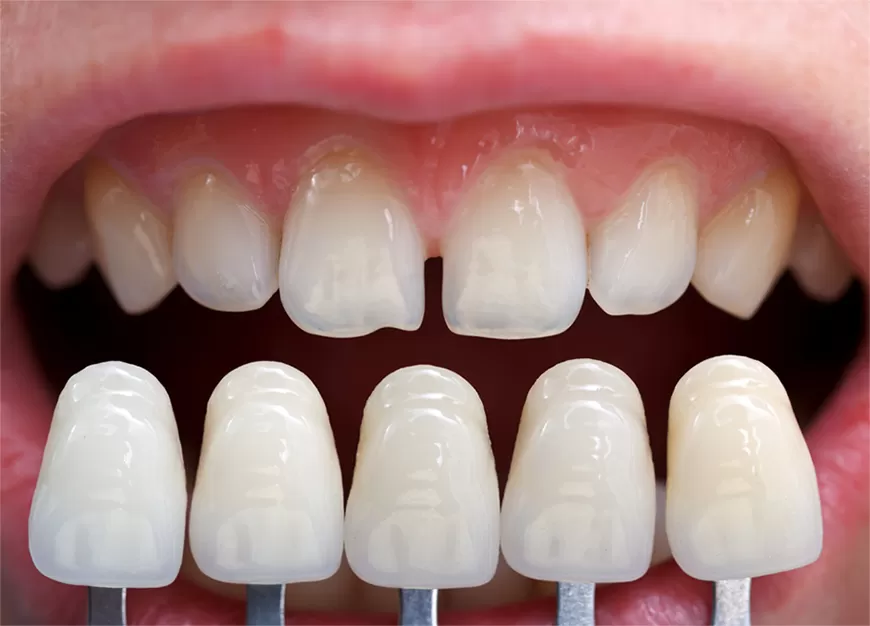
Another fascinating aspect is the way new materials replicate the organic irregularities of natural teeth. People often think a perfectly smooth surface looks realistic, yet natural enamel actually has subtle wave patterns. By studying these characteristics, material scientists create ceramics that respond to environmental lighting in a more lifelike manner. This blend of chemistry and aesthetics elevates the finished product. This process involves Vita shade guide (the standard color reference system used in dentistry).
Color Matching and the Optical Behavior of veneers
Color matching becomes one of the most delicate stages of veneer design. Professionals analyze shade gradients, internal warmth, and surface shine to determine how light should pass through the material. Natural teeth don’t have a single flat color. They show multiple zones, often with translucent edges and a slightly warmer center. Recreating this complexity requires both observation and technical knowledge.
Technicians often use shade guides, digital color mapping, and photographs taken under different lighting conditions. These details ensure that veneer surfaces interact with natural light in a believable way. Instead of covering the tooth with a single tint, layers are built in varying opacity to imitate enamel’s depth. This helps the final restoration blend seamlessly into the mouth rather than standing out as an artificial piece, supported by advanced shade matching.
The Importance of Micro Layering in Veneer Craftsmanship
Micro layering is a technique that defines many high quality veneers. Instead of applying one thick ceramic layer, technicians build multiple thin layers, each serving a unique purpose. One layer may add luminosity, another may soften the tone, and another may replicate the tiny surface undulations seen in natural teeth. This step is comparable to painting with both texture and light.
What makes micro layering particularly impressive is how much precision it requires. Each layer must remain thin yet strong enough to contribute to the final structure. The firing process also changes the ceramic slightly, so technicians anticipate these transformations. They adjust shapes and colors before firing to achieve the intended result afterward. It’s a process shaped by experience and intuition.
The Structural Integrity of veneers and What Influences It
The strength of veneers isn’t solely about the ceramic or composite used. It also depends on the bonding chemistry, preparation quality, and how well the final surface interacts with the underlying tooth. Adhesive science continues to evolve, with new bonding agents designed to maintain stability under daily functional forces. These agents form micro mechanical links with the tooth surface, ensuring the veneer stays in place.
Another interesting factor is how the veneer’s thickness affects its optical and structural performance. People might assume thicker is stronger, yet overly thick layers can alter color behavior or reflect light unnaturally. On the other hand, extremely thin layers require meticulous bonding to prevent micro fractures. Achieving the right balance involves understanding how different materials behave under stress and wear.
Trial Fitting and the Fine Tuning of veneers
Before the final placement, trial fitting allows the technician and clinician to evaluate subtle details that affect both function and appearance. The goal isn’t just to ensure that the veneer fits mechanically but also to confirm that it aligns with the user’s facial expressions. Sometimes even a fraction of a millimeter can change how a smile looks during different movements.
In the trial stage, adjustments may involve refining edge thickness, modifying translucency zones, or altering the contours around the gum line. These refinements help the veneer look like an organic part of the tooth rather than an outer shell. It’s a stage that depends on human observation, as digital tools can’t fully capture how a detail interacts with facial expressions or natural light.
The Final Bonding Process and Its Relationship With Natural Tooth Structure
Bonding veneers to the tooth is both a technical and chemical process. The adhesive must create a stable link between the veneer and enamel while preserving the material’s optical qualities. This requires careful preparation of both surfaces. The tooth is conditioned so the bonding agent can form microscopic connections, while the veneer’s inner surface receives a precise treatment to increase adhesion.
The bonding phase highlights the relationship between natural and artificial materials. When done correctly, the veneer becomes an integrated part of the tooth, not a separate cover. The light passing through the ceramic interacts with the underlying structure to produce a realistic effect. This interplay shows how important collaboration between materials and natural tissue truly is.
Longevity Factors and the Natural Aging of Veneer Materials
Veneer materials don’t remain unchanged over time, and understanding their natural aging process helps explain why the manufacturing stage is so meticulous. Ceramics may experience mild surface wear, while composites might adapt differently to pigments in food and beverages. These changes are subtle but expected, much like how natural enamel matures.
Environmental conditions also play a role. Temperature shifts, chewing habits, and hydration patterns can influence how veneers behave over years. The goal of the crafting process is not to eliminate aging entirely but to design materials that age gracefully. A well made veneer should maintain its optical qualities and structural stability in a manner similar to natural tooth aging.
How veneers Interact With Facial Esthetics and Personal Expression
veneers don’t exist in isolation. They interact with muscles, lip posture, and facial movements. This is why professionals often study a person’s natural expressions before finalizing the design. A smile isn’t static. It changes when someone laughs, speaks, or even thinks. The veneer must complement these dynamic expressions rather than limit them.
This aspect shows the psychological and artistic side of veneer design. The choice of shape and texture reflects not only functional needs but also personal identity. Some people prefer softer contours that give a subtle, mature appearance, while others lean toward a brighter, more youthful look. veneers become a part of that expression, shaped by both science and sensitivity.
Understanding the Artistry Behind the Final Surface Finish
When veneers reach their final shaping stage, the surface finish becomes one of the most influential elements in their realism. Natural enamel has microscopic ridges that scatter light in specific directions, producing the familiar glow we associate with healthy teeth. A smooth, polished surface alone cannot replicate this complexity, so technicians create controlled textures that imitate these tiny patterns. This requires both an artistic eye and a deep understanding of optical physics, supported by advanced lithium disilicate.
The final finish also affects how the veneer interacts with its environment. Light from indoor settings, outdoor sunlight, or camera flashes will reflect differently depending on the surface’s micro design. This is why the last stage is never rushed. It’s a gradual sculpting process where each curve and highlight contributes to a more harmonious appearance. The polishing stage is subtle but dramatically influences the veneer’s authenticity, supported by advanced no-prep veneers.
Why Customization Matters More Than Perfection
Customization is at the heart of every high quality veneers creation. While many assume perfection means flawless symmetry, human teeth rarely follow those rules. Small variations in contour, slight differences in translucency, and tiny color transitions give a natural sense of individuality. This means the goal is not uniformity but personalized balance. A smile feels more believable when it reflects the person wearing it.
This personalized approach also considers lifestyle, facial structure, and natural tooth behavior. Even the way someone pronounces certain sounds can influence veneer shape around the edges. Customization ensures that the veneer feels comfortable, expressive, and harmonious. The science and artistry merge to create a result that enhances natural features rather than overshadowing them.
The Psychological Impact of veneers and the Human Connection
veneers may be made from ceramic or composite, but their influence is often psychological. People respond emotionally to how their smile shapes their interactions. A veneer that feels natural can restore a sense of confidence, while one that doesn’t match their personality may create a subtle disconnect. This demonstrates that designing veneers is not only a technical process but also a human understanding process.
Users often describe a moment when the new smile starts to feel like their own. This transition highlights how intertwined aesthetics and identity can be. The veneer becomes part of daily expressions, part of self perception, and part of communication. Understanding this helps explain why the crafting process is detailed and patient rather than formulaic.
The Final Integration of veneers Into Daily Life
Once placed, veneers interact with real world conditions. They experience temperature changes, textures, and the natural rhythm of speech. Designers consider these factors during the crafting process, ensuring that movement and function feel intuitive. Good veneers should allow users to return to their normal habits without feeling mechanical or restricted.
This integration phase also shows how important bonding and material selection were earlier in the process. The synergy between the veneer and the tooth structure becomes clear as the veneer behaves like an extension of the enamel. Over time, the user stops thinking of the veneer as something added and starts experiencing it as part of the natural tooth anatomy.
Reflecting on the Complete Journey of Veneer Creation
The journey of creating veneers is a complex blend of science, craftsmanship, psychology, and aesthetics. Each stage contributes something essential, from material selection and digital planning to layering, shaping, and final bonding. While the process may appear technical from the outside, it is deeply human in its intention. It focuses on expressing individuality while respecting natural patterns.
Understanding how these restorations are made reveals why they can achieve such an organic result. They are the product of countless small decisions, each designed to mimic nature while considering personal needs. The final outcome represents a collaboration between materials, precision, and artistic interpretation, forming a smile that feels balanced and uniquely authentic.
Final Reflections on the Craft of veneers
The creation of veneers is far more than a simple manufacturing sequence. It is a thoughtful, multi layered process that draws from physics, chemistry, design, and human perception. Every veneer begins as an idea, shaped by personal characteristics and transformed through meticulous craftsmanship. By the time it reaches its final placement, it embodies both scientific innovation and artistic nuance.
This blend of natural integration and technical refinement explains why veneers have become such an enduring option for those seeking a refined, harmonious smile. They demonstrate how much detail goes into replicating something as familiar yet complex as a tooth. The process might be intricate, but the result feels effortless, blending seamlessly into daily life and personal identity.