In dentistry and orthodontics, one of the most frequently encountered terms is bracket. A bracket is a small yet highly effective orthodontic appliance used to align teeth properly and balance jaw structure. In this article, we will explore what a bracket is, its types, applications, and its role in modern orthodontics in detail. At Livera Clinic, we aim to provide a clear and comprehensive overview backed by scientific data and current research.
In orthodontic treatment, brackets work to guide teeth into the desired position. These small appliances, made of metal, ceramic, or clear materials, work in conjunction with wires to achieve long-term aesthetic and functional results. Today, brackets are considered an effective and reliable method for both adolescents and adult patients.
What is a Bracket? Definition and Function
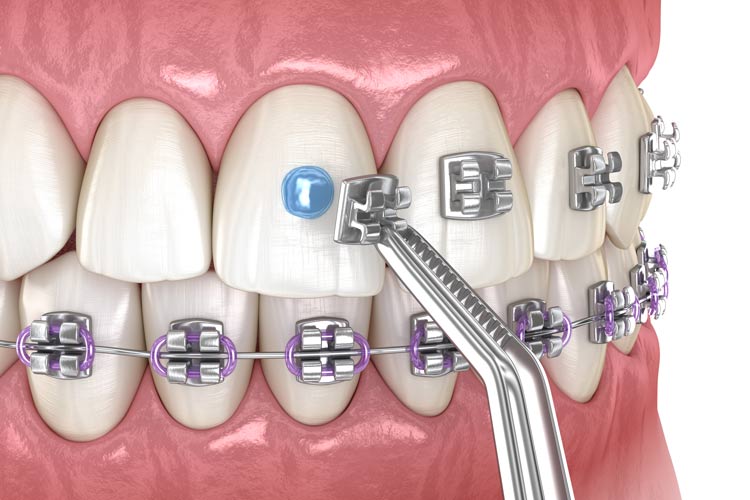
A bracket is a small orthodontic component bonded or attached to the surface of a tooth. It applies controlled forces through wires to guide teeth movement. In orthodontic literature, the primary purpose of a bracket is to ensure teeth reach the correct position and support the ideal shape of the jaw.
Modern studies show that brackets are designed with different structures and materials to enhance control over tooth movement. For instance, some brackets are engineered to optimize not only horizontal but also vertical and rotational movements of the teeth.
Key functions include:
- Aligning teeth to their ideal position
- Balancing the bite
- Supporting oral health
- Enhancing aesthetic appearance
These functions demonstrate that using brackets is not just an aesthetic procedure but also a functional orthodontic treatment.
Types of Brackets: Metal Brackets
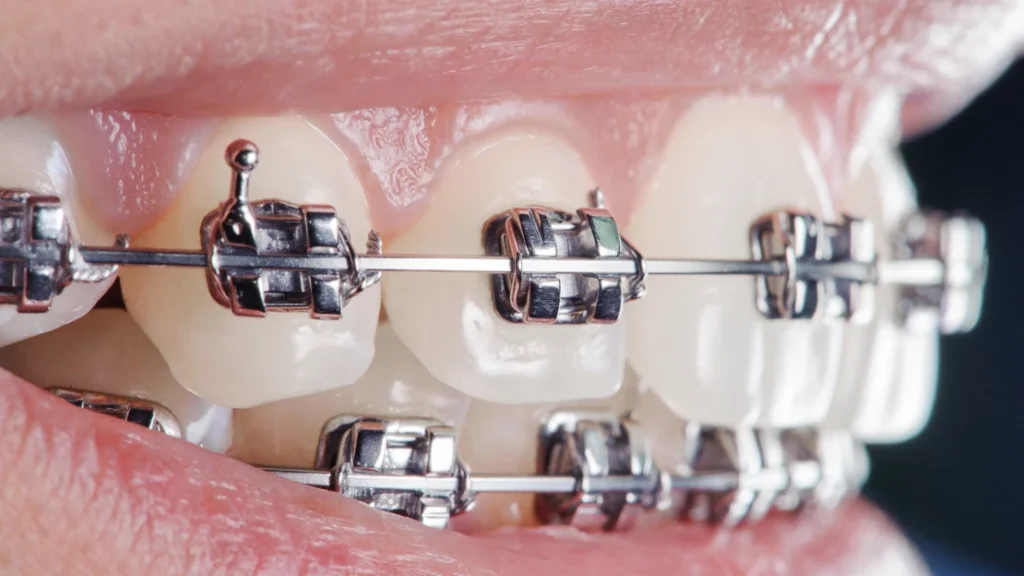
One of the most commonly used bracket types is metal brackets. Made from stainless steel, these brackets are known for their durability and effectiveness. Clinical studies show that metal brackets often provide faster and more reliable results, especially in complex orthodontic cases.
Advantages of metal brackets:
- High durability
- Shorter treatment time
- Cost-effective
Disadvantages include being more noticeable aesthetically and sometimes causing minor discomfort. However, modern designs have made metal brackets smaller and more comfortable.
Types of Brackets: Ceramic Brackets
Ceramic brackets are made from tooth-colored or clear materials, offering an aesthetic advantage over metal brackets. They are especially popular among adult patients.
Characteristics of ceramic brackets:
- Less noticeable
- Can mimic natural tooth color
- Slightly more fragile than metal
Studies show that ceramic brackets are not only aesthetically advantageous but also effective in controlling tooth movement. However, in some cases, they may not allow as much force application as metal brackets.
Types of Brackets: Lingual Brackets
Lingual brackets are attached to the inner surface of teeth, making them invisible from the outside. This method is ideal for patients who do not want visible orthodontic appliances.
Key features:
- Invisible advantage
- Customizable design
- Slight initial speech adjustment due to tongue contact
Lingual brackets are customized using modern scanning and production techniques, optimizing treatment duration and minimizing aesthetic concerns.
Types of Brackets: Clear (Invisalign Alternative) Brackets
Clear brackets offer an alternative to traditional wire-and-bracket systems and are designed for patients with high aesthetic concerns. These usually consist of removable clear aligners or minimally visible appliances.
Advantages:
- Nearly invisible
- Comfortable and removable
- Easier hygiene control
Disadvantages include limited effectiveness in complex tooth movements, so proper case selection by an orthodontist is crucial.
Advantages of Using Brackets
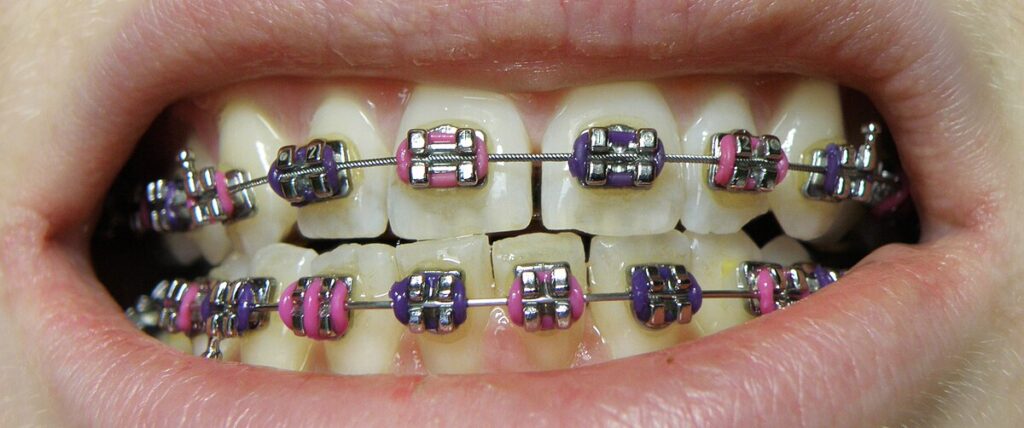
A bracket not only improves dental aesthetics but also supports oral and jaw health. Clinical studies show that when used correctly and consistently, brackets optimize tooth alignment and bite over the long term.
Key advantages include:
- Functional improvement: Properly aligned teeth support chewing and speaking functions.
- Aesthetic enhancement: Teeth achieve a natural and symmetrical appearance.
- Long-term health: Teeth are easier to clean, reducing the risk of cavities and gum problems.
Additionally, modern bracket designs shorten treatment duration and increase patient comfort.
Considerations When Using Brackets
Brackets are small but sensitive devices, and correct usage is crucial for effective results. Attention to certain points improves the treatment process:
- Maintain dental hygiene meticulously
- Avoid hard or sticky foods
- Attend regular orthodontic check-ups
These precautions enhance bracket efficiency and minimize potential complications. Different bracket types may have varying maintenance needs, so treatment plans should always be personalized.
Bracket Treatment Process
The bracket treatment generally follows these steps:
- Evaluation and planning: The orthodontist examines the teeth and jaw and selects the appropriate bracket type.
- Bracket placement: Selected brackets are bonded or banded to the teeth.
- Wire attachment: Wires are placed in the brackets to gradually move teeth.
- Follow-up appointments: Wires are adjusted at regular intervals to monitor progress.
- Post-treatment: Brackets are removed, and a retainer is usually recommended.
Treatment duration varies depending on the bracket type, tooth structure, and patient age. Metal brackets often require less time, while aesthetic brackets may take slightly longer.
Bracket Care and Cleaning
Proper care is essential to maintain the effectiveness of brackets and overall dental health. Hygiene plays a critical role in the success of orthodontic treatment.
Recommended care practices include:
- Using a soft-bristled toothbrush
- Cleaning between brackets with interdental brushes or floss
- Avoiding sugary and hard foods whenever possible
These simple measures prevent cavities, gum issues, and bracket damage. Care is particularly important for lingual and clear brackets.
Scientific Analysis of Brackets
Orthodontic literature extensively analyzes the efficiency of brackets in controlling tooth movement. Studies show:
- Metal brackets provide fast and reliable tooth movement in complex cases.
- Ceramic brackets combine aesthetic advantages with controlled force application.
- Lingual brackets offer invisibility but may require adaptation time.
- Clear brackets are effective in cases prioritizing hygiene and aesthetics.
This data emphasizes the importance of personalized bracket selection according to individual needs and goals.
The Role of Brackets in Orthodontics
In summary, brackets are fundamental to modern orthodontics. With metal, ceramic, lingual, and clear varieties, they offer solutions for every patient. Brackets provide functional, health, and aesthetic benefits beyond mere appearance.
At Livera Clinic, this comprehensive content serves as both a scientific and understandable guide to brackets and orthodontic treatment. Each patient’s condition is unique, making professional evaluation essential in selecting the appropriate bracket type.