The human oral cavity is a bustling ecosystem, home to billions of microorganisms. Among these, Bacteria in the Mouth play both beneficial and potentially harmful roles. Understanding how to manage and reduce these bacterial populations can have profound effects on oral health, overall well-being, and even systemic conditions. In this article, we explore evidence-based methods, fascinating research, and practical insights into controlling Bacteria in the Mouth effectively.
The Role of Bacteria in the Mouth in Oral Health
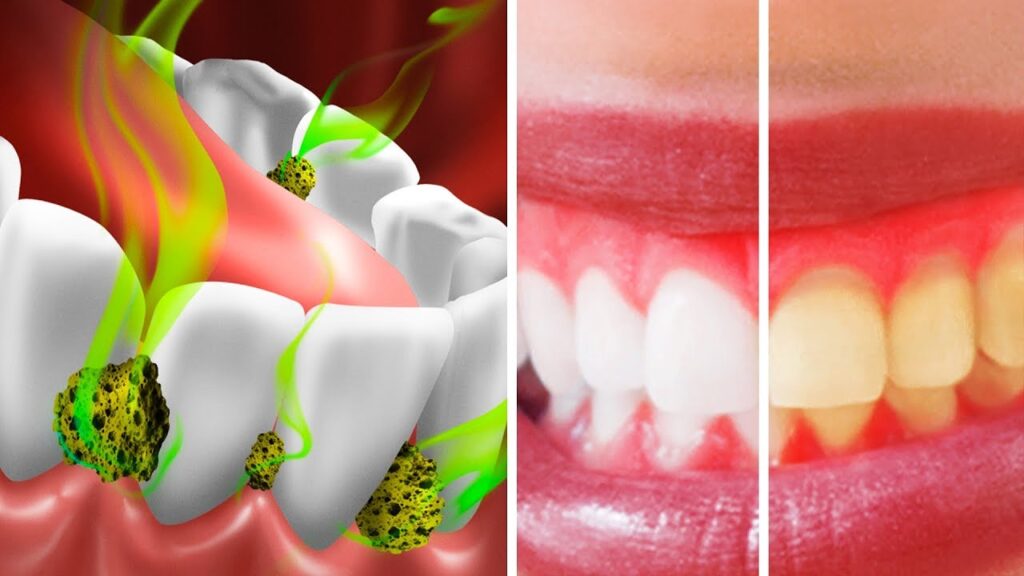
Not all bacteria in the mouth are harmful. In fact, some contribute to the balance of the oral microbiome, aiding digestion and protecting against pathogenic invaders. However, an overgrowth of certain species can lead to dental caries, gingivitis, and other complications.
Research from the Journal of Oral Microbiology highlights that a diverse microbial community is crucial for maintaining oral health. Disruption of this balance due to poor hygiene, diet, or lifestyle factors can encourage the proliferation of harmful Bacteria in the Mouth .
In practice, targeting the reduction of pathogenic species without harming beneficial bacteria is the key challenge. This delicate equilibrium requires both strategic hygiene practices and informed lifestyle choices.
Effective Oral Hygiene Practices to Reduce Bacteria in the Mouth
The foundation of controlling Bacteria in the Mouth lies in consistent oral hygiene. Brushing, flossing, and rinsing with appropriate solutions can drastically alter bacterial populations.
- Brushing: Using a soft-bristle toothbrush for at least two minutes twice a day helps remove plaque and food debris, which are prime breeding grounds for bacteria.
- Flossing: Interdental spaces often harbor bacterial colonies that brushing alone cannot reach. Daily flossing targets these hidden zones.
- Antimicrobial Mouthwashes: Ingredients such as chlorhexidine or essential oils can selectively reduce pathogenic Bacteria in the Mouth .
A study conducted at the University of Pennsylvania School of Dental Medicine found that combining brushing, flossing, and antimicrobial rinsing can reduce bacterial load by up to 60% within weeks.
Dietary Approaches to Modulate Bacteria in the Mouth
What we eat profoundly affects oral bacterial populations. Sugars and refined carbohydrates feed harmful bacteria, while fiber-rich foods and fermented products encourage beneficial species.
- Sugars and Processed Foods: Frequent sugar intake promotes acid-producing bacteria that erode enamel.
- Probiotics: Certain strains, like Lactobacillus reuteri, have been shown to compete with harmful Bacteria in the Mouth , reducing inflammation and plaque formation.
- Polyphenol-Rich Foods: Green tea, berries, and cocoa contain compounds that inhibit bacterial growth and adhesion to teeth.
Table: Examples of Foods and Their Effects on Oral Bacteria
| Food Type | Effect on Oral Bacteria | Mechanism |
| Green tea | Reduces pathogenic bacteria | Polyphenols inhibit adhesion |
| Yogurt | Supports beneficial bacteria | Contains live probiotics |
| Sugary snacks | Promotes harmful bacteria | Sugar fuels acid-producing species |
Natural Remedies for Controlling Bacteria in the Mouth
Beyond conventional methods, certain natural remedies demonstrate antibacterial effects.
- Oil Pulling: Swishing coconut or sesame oil may reduce bacterial counts and improve oral hygiene markers.
- Herbal Extracts: Clove, neem, and tea tree oils contain antimicrobial properties effective against some strains of Bacteria in the Mouth .
- Saltwater Rinses: Simple saline rinses can mechanically flush bacteria and reduce inflammation in the gums.
While these methods are supportive, they should complement not replace daily oral hygiene practices.
Technological Approaches to Managing Bacteria in the Mouth
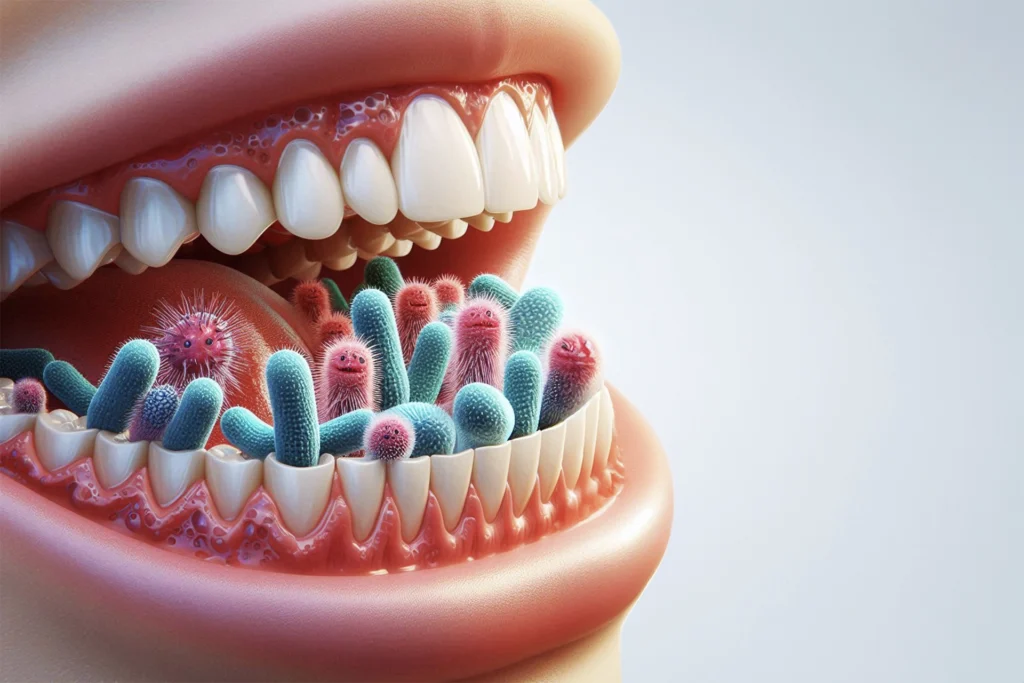
Modern dentistry offers innovative ways to monitor and control bacterial populations.
- Laser Therapy: Certain laser treatments target bacterial colonies in periodontal pockets without damaging surrounding tissue.
- Probiotic Supplements: Oral probiotics can selectively promote beneficial bacteria, suppressing harmful Bacteria in the Mouth .
- Digital Microbiome Analysis: Emerging tools allow dentists to assess the microbial composition of the mouth, enabling personalized interventions.
These technologies exemplify how science is moving towards precision oral care, balancing reduction of harmful bacteria while supporting beneficial species.
Lifestyle Factors That Influence Bacteria in the Mouth
Daily habits significantly impact bacterial growth and oral health.
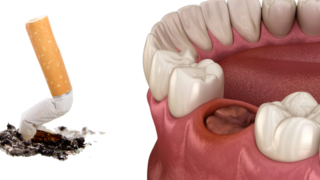
- Smoking: Tobacco creates an environment conducive to pathogenic bacteria and increases the risk of periodontal disease.
- Hydration: Saliva is a natural antibacterial agent; staying hydrated helps maintain its protective function.
- Stress and Sleep: Chronic stress and sleep deprivation can disrupt immune responses, indirectly affecting oral bacterial balance.
Adopting a holistic approach that combines hygiene, diet, and lifestyle modifications ensures more effective long-term management of Bacteria in the Mouth .
Balancing the Oral Microbiome
Eliminating harmful bacteria completely is neither possible nor desirable. The goal is to manage Bacteria in the Mouth strategically, maintaining a diverse and healthy oral ecosystem. By integrating proper hygiene, dietary adjustments, natural remedies, technology, and lifestyle awareness, individuals can foster optimal oral health.
Emerging research continues to reveal the complexity of the oral microbiome, highlighting that every intervention from brushing to diet affects bacterial communities in nuanced ways. Understanding these dynamics empowers individuals to make informed choices and embrace science-backed strategies for a healthier mouth.