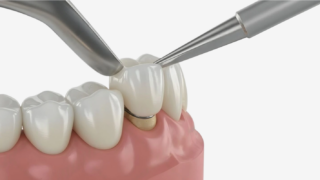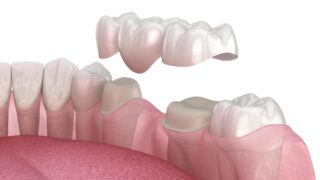
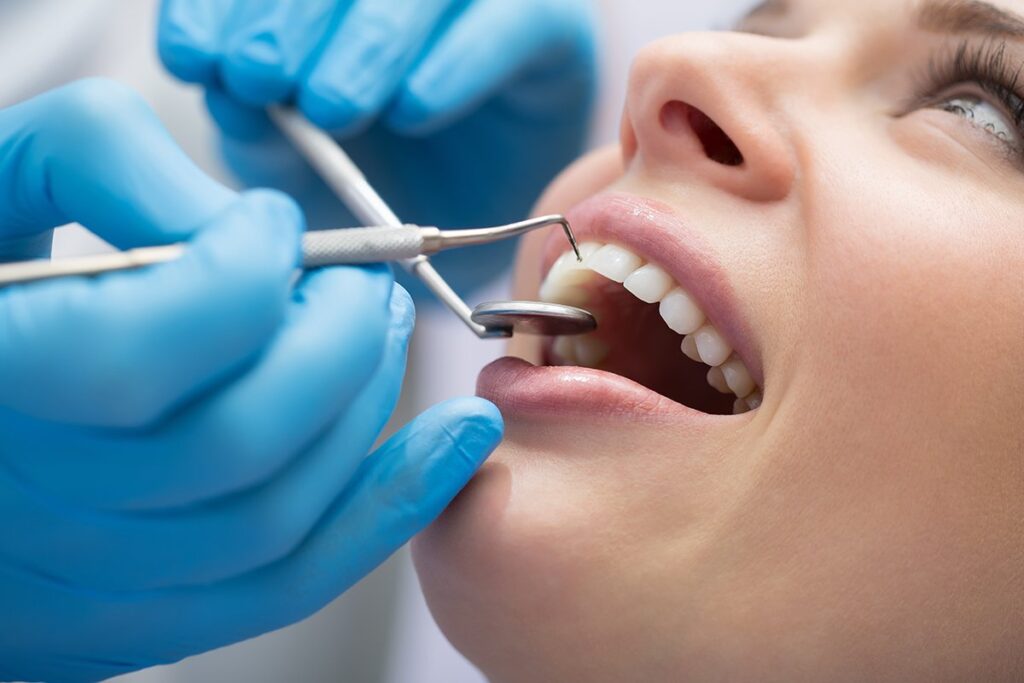
Modern dental care places Restorative Dentistry at the center of functional and aesthetic oral health. This field focuses on repairing damaged teeth, protecting natural structures, and restoring chewing comfort and appearance. In daily life, chewing, speaking, and smiling are activities directly influenced by the structural integrity of teeth, and Restorative Dentistry offers comprehensive solutions for individuals seeking natural looking and long lasting results.
What Restorative Dentistry Essentially Means
Restorative Dentistry refers to clinical procedures that repair tooth decay, fractures, cracks, cosmetic imperfections, and structural loss with biocompatible materials. The main goal is to mimic natural enamel and dentin as closely as possible. This approach respects biological tissue while improving function and visual harmony.
Scientifically, the strength of this field comes from materials that bond securely to tooth tissues and demonstrate long term resistance. Aesthetically, the emphasis is on translucency, brightness, and natural shaping. For these reasons, Restorative Dentistry is not just a repair method but a modern approach that combines biology and design.
Who Can Receive Restorative Dentistry
Restorative Dentistry is suitable for people of all ages, especially those experiencing decay, erosion, cracks, or minor structural losses. It is ideal for individuals whose teeth are generally intact but need localized restoration.
Some patients seek these treatments for aesthetic adjustments. Small shape irregularities, color inconsistencies, surface lines, or localized defects may be corrected through restorative procedures. People with sensitive enamel, hereditary structural weaknesses, or previous dental trauma may also benefit from Restorative Dentistry.
The Scientific Foundations of Restorative Dentistry
The scientific aspect of restorative procedures lies in the materials used. Resin based composites, glass ionomer cements, and ceramic based options are the most common. They are chosen for their strength, tissue compatibility, and low microleakage risk. These materials harden under specific light systems and integrate tightly with the tooth surface.
One of the key elements is the adhesion mechanism. Adhesive systems form micromechanical bonds with enamel and dentin. As a result, Restorative Dentistry is not just about filling a cavity but creating a unified and stable structure that behaves similarly to the natural tooth over time.
Main Techniques Used in Restorative Dentistry
Below are several common methods used within Restorative Dentistry, each selected according to the type and severity of tissue loss.
Composite Restorations
Composite fillings are resin based, tooth colored materials used for both front and back teeth. Their biggest advantage is that they can be shaped layer by layer. When applied properly, they create a light reflecting surface very similar to natural enamel. This makes them ideal for high aesthetic demands.
Inlay, Onlay, and Ceramic Restorations
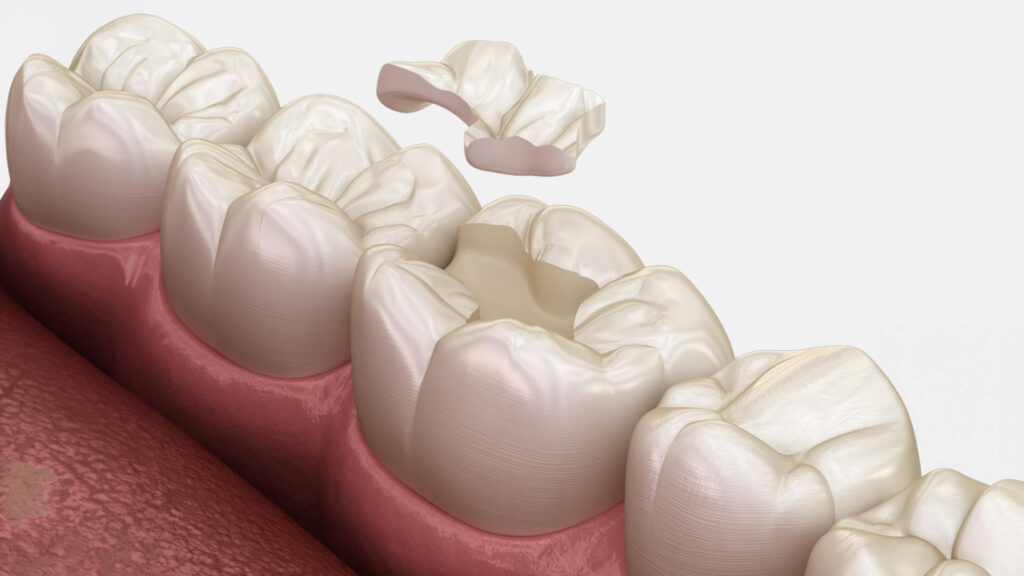
For larger structural losses, ceramic inlays and onlays are preferred. These restorations are fabricated in dental laboratories with precise shaping and strong compression resistance. They offer long term durability and excellent marginal adaptation, which makes Restorative Dentistry reliable for significant structural defects.
Glass Ionomer Restorations
Glass ionomers release fluoride, which helps protect surrounding tooth surfaces. They are often used in pediatric dentistry or in patients with high decay risk. Although simpler in structure, they provide chemical bonding and good biocompatibility.
Restorative Dentistry and Aesthetic Expectations
Modern dental aesthetics involve harmony between facial structure, tooth proportions, color matching, and light reflection. Digital measurement tools make it possible to design restorations more precisely. As a result, Restorative Dentistry provides not only structural repair but also measurable improvements in the appearance of a smile.
Factors like translucency, micro texture, and brightness are essential for natural looking results. Composite and ceramic materials can be shaped to mimic these properties, helping the restoration blend in seamlessly with the surrounding teeth.
How the Restorative Dentistry Process Works
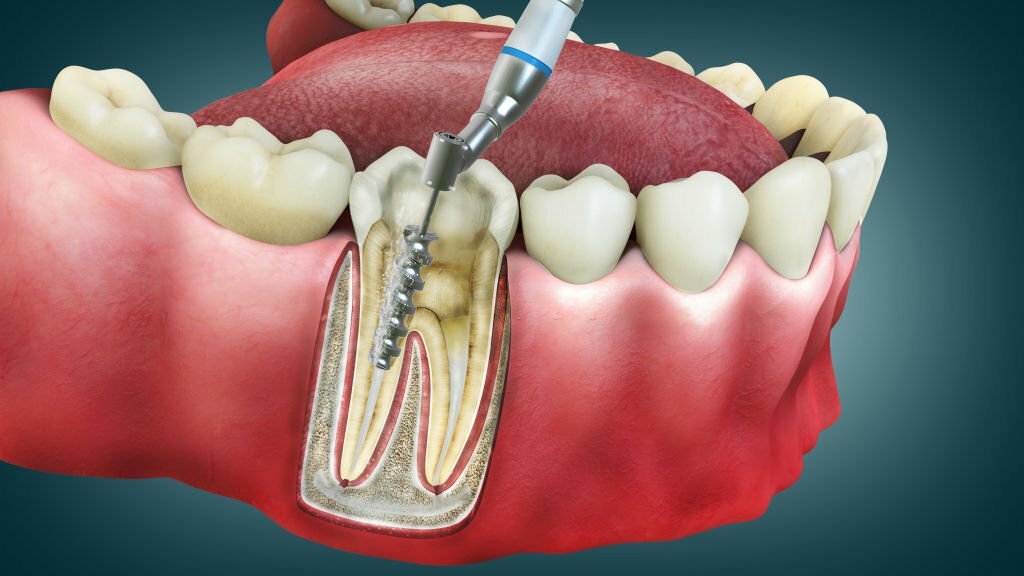
The process usually includes examination, planning, material selection, application, and final adjustments. The dentist evaluates the tooth condition using advanced imaging techniques. Based on the structural loss and aesthetic needs, the most suitable material is chosen.
During application, the natural tooth structure is preserved as much as possible. This conservative philosophy is a key principle of Restorative Dentistry. By minimizing tissue removal, clinicians aim for durable results that maintain natural integrity.
A simple explanation of the process can be shown as follows:
| Stage | Description |
| Examination | Structural condition of the tooth is assessed |
| Planning | Appropriate restorative technique is selected |
| Application | Composite, ceramic, or glass ionomer is placed |
| Final check | Surface and bite alignment are adjusted |
Advantages of Restorative Dentistry
Restorative procedures offer multiple benefits beyond simple repair:
- Maximum preservation of natural tooth tissue
- High aesthetic harmony
- Restoration of chewing and speaking function
- Wide variety of materials for different clinical needs
These advantages make Restorative Dentistry a key component of modern dental care.
Key Points People Wonder About Restorative Dentistry
Patients often wonder about durability, appearance, and long term outcomes. The lifespan of a restoration depends on oral hygiene habits, the material used, and the size of the restored area. While exact timelines cannot be guaranteed, well done restorations usually remain stable for many years.
Another point of interest is the advancement of materials. Every year, new resin systems, bonding agents, and ceramic technologies are developed. This continuous improvement makes Restorative Dentistry more predictable, durable, and natural looking.
Restorative Dentistry offers a balanced combination of function and aesthetics. It addresses decay, fractures, erosion, and minor structural defects with biocompatible materials while preserving as much natural tissue as possible. This field not only restores chewing efficiency and comfort but also enhances the overall appearance of the smile.
With the improvement of digital planning and advanced materials, Restorative Dentistry has become more predictable and refined than ever before. Livera Clinic follows current scientific methods and provides individualized restorative solutions for patients seeking both functional stability and aesthetic improvement.