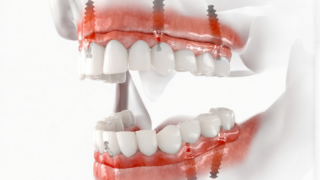
Choosing between a root canal treatment and Tooth Extraction is one of the most common dilemmas people face when dealing with persistent dental pain. In many cases the question becomes a personal debate about comfort, long term expectations and the fear of making the wrong choice. Since Tooth Extraction is sometimes seen as the quick fix, while root canal therapy is viewed as the tooth saving option, understanding what actually happens during these procedures can help you think more clearly about which direction may suit your situation.
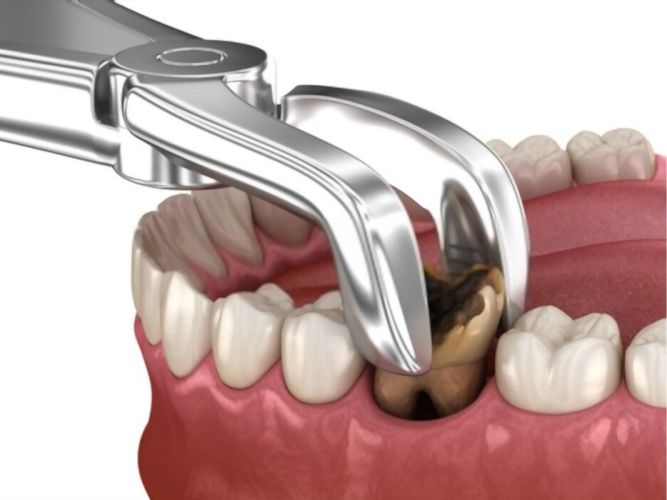
Understanding the Place of Tooth Extraction in Modern Dentistry
To understand why Tooth Extraction is still widely performed, it helps to explore the role extraction plays in oral health. Despite advances in tooth preservation, there are moments when removal is considered a realistic path. Extraction can be an option when structural integrity is severely compromised, or when infection has reached a point where recovery would be unpredictable.
At the same time modern techniques have made Tooth Extraction less traumatic than it used to be. With improved imaging, minimally invasive approaches and smart aftercare strategies, the process generally feels more controlled. These innovations have also inspired researchers to evaluate when extraction provides better long term stability compared to efforts aimed at rescuing the tooth.
How Root Canal Treatment Compares to Tooth Extraction
Most people view canal therapy as the tooth saving champion, yet scientific reviews reveal that both root canal treatment and extraction have distinct success patterns. Canal therapy aims to clean the inner chamber of the tooth where inflammation develops, while Tooth Extraction removes the entire structure to eliminate the problem at its source.
Clinical studies show that a well performed canal treatment can maintain function for years. However, extraction may be preferred if decay has spread deep into the root surface or if restoration would require extensive reconstruction. Many patients also compare the comfort levels of both experiences. Some discover that canal therapy takes longer but preserves the natural bite pattern, while Tooth Extraction may offer rapid relief with fewer appointments.
Signs That May Lead Patients to Consider Tooth Extraction
There are several findings that often guide dentists toward recommending extraction. These indicators might involve bone loss, fractures below the gumline or complex infections with unpredictable healing responses. While not definitive rules, they offer clues about the structural resilience of a tooth.
That said, even when these signs appear, patients rarely make the decision based solely on clinical data. Emotional factors play an enormous role. Some feel more comfortable opting for Tooth Extraction because it feels decisive. Others prefer to hold on to the tooth for as long as possible. This emotional dimension is widely discussed in behavioral dentistry, where patient preference and long term satisfaction are considered part of the decision making model.
Common Situations That Increase Extraction Likelihood
Below is a general table summarizing common situations that may lead patients to ask more questions about extraction.
| Clinical Situation | How It Relates to Tooth Extraction |
| Deep fracture | Frequently shifts preference toward removal |
| Severe mobility | Often indicates compromised support |
| Recurrent infection | May reduce the predictability of saving the tooth |
| Loss of crown structure | Sometimes limits restoration options |
These situations do not guarantee that Tooth Extraction is needed, but they help patients understand the logic behind the discussion.
How Tooth Extraction and Canal Therapy Affect Long Term Oral Health
From a scientific perspective the long term impact of extraction differs greatly from the impact of root canal therapy. When a tooth is removed, surrounding teeth may gradually shift. This can create subtle changes in chewing efficiency and spacing. In contrast, canal therapy keeps everything in place but may require follow up monitoring depending on how the internal tissues heal.
Many researchers highlight the importance of stability in the arch. Extraction might require supplementary planning such as grafting or prosthetic replacement. Because of this some patients lean toward canal treatment unless Tooth Extraction presents clear advantages. Interestingly, self reported satisfaction rates vary widely based on personal expectations rather than clinical outcomes. This shows that the psychological side of dental decisions is just as influential as the biological side.
Why People Feel Torn Between Root Canal Therapy and Tooth Extraction
One of the most fascinating aspects of this topic is the way fear and uncertainty shape decision making. Canal therapy is often surrounded by myths and dramatic stories. On the other hand Tooth Extraction may sound simple yet final. People often spend time comparing stories from friends, online comments or community discussions. This is part of what makes this choice emotionally complex.
Studies on treatment anxiety show that narratives play a role in creating bias. For example someone who experienced a difficult extraction years ago may expect the same result even though current clinical approaches are far more refined. Meanwhile another person may be hesitant about canal therapy because of older perceptions that no longer reflect modern practice. Understanding these psychological layers helps explain why this decision can feel surprisingly personal.
Making the Decision Without Stress While Considering Tooth Extraction
The healthiest way to evaluate your options is by gathering calm, balanced information. Instead of focusing on what feels scary or what you heard from someone else, consider the situation of your own tooth, the overall condition of your gums and the long term vision you have for your oral health. This approach often leads to clearer thinking and reduces emotional pressure.
Remember that choosing canal therapy or selecting Tooth Extraction is rarely about right or wrong. It is about which method aligns with your comfort level, your expectations and the specific characteristics of your dental structure. Most patients feel more confident when they understand the advantages and limitations of each path. This is why many people request detailed explanations from their clinicians before deciding.
A Balanced Way to Think About Canal Treatment and Tooth Extraction
Trying to decide between saving a tooth or removing it can feel overwhelming, but it becomes easier when you evaluate everything step by step. Both options have benefits depending on the condition of the tooth, how deeply infection has progressed and how you feel about the treatment process. Root canal therapy preserves natural structure while Tooth Extraction removes a problematic tooth in a decisive way.
Instead of looking for a universal answer, the most sensible approach is to understand how each method might affect your comfort, your smile and your long term plans. When viewed through this analytical yet human centered lens, the decision becomes less intimidating and far more empowering.