
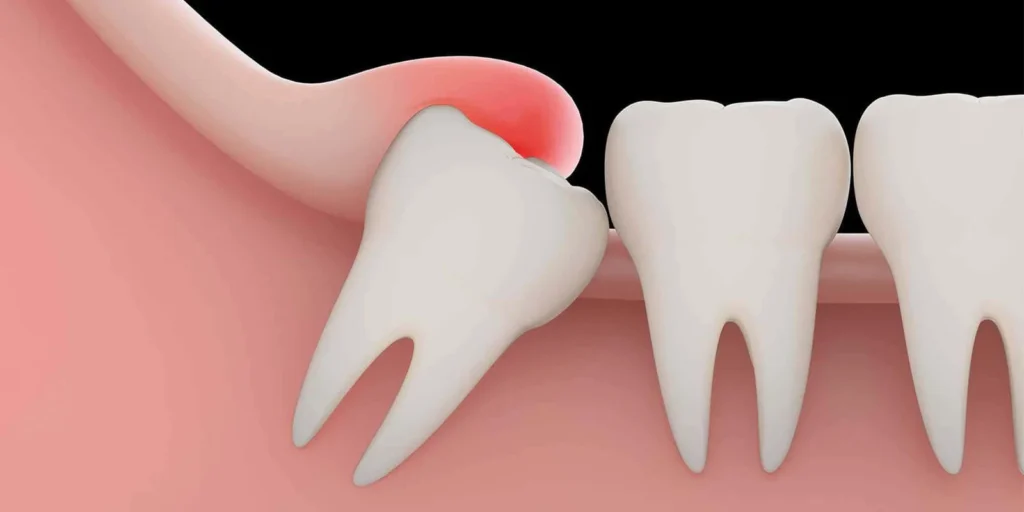
A teeth is not just a part of our mouth; it directly affects our overall health and quality of life. However, sometimes teeth that need extraction are neglected, which can trigger a chain reaction of issues both in oral health and beyond. So, what happens if a teeth that should be removed is left untreated?
Common Reasons for Neglecting a Tooth That Needs Extraction
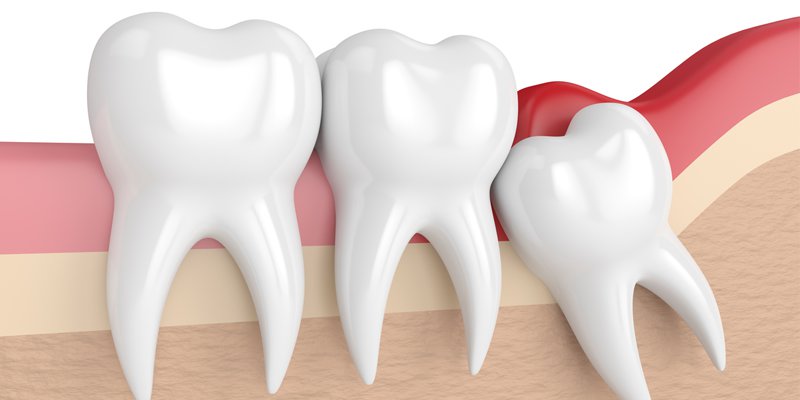
Teeth that require extraction are usually identified due to infection, decay, fracture, or impaction. People may postpone extraction for various reasons, including fear, cost concerns, or mild pain.
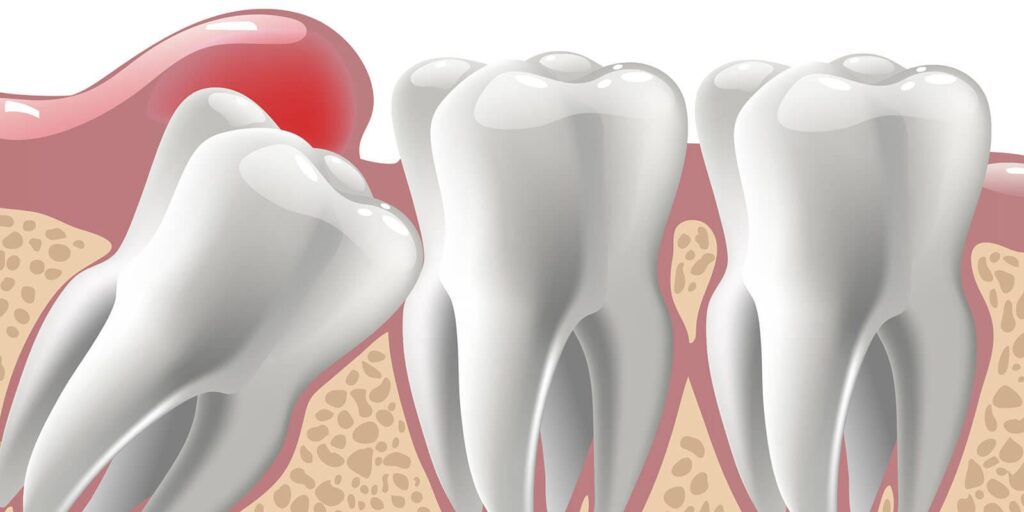
However, delaying extraction can lead to serious problems that are not immediately visible. A neglected tooth can become a focus of infection, harming surrounding healthy teeth and even affecting bone structure. Impacted or abscessed teeth, if ignored, can compromise not just oral health but systemic health as well.
Oral Health Consequences of a Neglected Tooth
A tooth that is not removed on time can cause inflammation in surrounding gums and bone loss. Chronic infection in the gums not only affects the local area but can disrupt oral biofilm balance, increasing the risk of decay and loss of other teeth.
Studies have shown that ignoring impacted third molars increases the risk of erosion and sensitivity in neighboring teeth by 35%. These teeth also accelerate tartar formation, raising the likelihood of periodontal disease.
Potential Systemic Effects of a Neglected Tooth
Oral health and overall health are directly connected. An infected tooth can release bacterial load, affecting heart and vascular health. Chronic oral infections may trigger inflammatory responses that increase cardiovascular disease risk.
Additionally, infections stemming from a neglected tooth can burden the immune system, raising complications in individuals with systemic conditions like diabetes. Timely extraction is thus important not only for oral health but overall wellbeing.
Effects of a Neglected Tooth on Neighboring Teeth
A neglected tooth can negatively impact adjacent teeth. It may shift or tilt, disrupting dental alignment, impairing chewing function, and potentially causing jaw joint problems over time.
Additionally, spaces and infections around the tooth can cause sensitivity and discoloration in neighboring teeth, affecting both aesthetics and function.
Long-Term Risks of a Tooth That Needs Extraction
Ignoring a tooth can lead to chronic infections, abscesses, and bone loss, sometimes requiring complex surgical interventions in the future. Delays make procedures like implants or prosthetics more difficult.
Experts note that prolonged neglect of extraction sites, especially in the upper or lower jaw, can reduce success rates of future restorative treatments due to bone deterioration.
Alternative Treatments for a Tooth That Needs Extraction
Extraction is not always the only option. In some cases, root canal therapy, crowns, or fillings can preserve the tooth. However, the effectiveness of these treatments depends on the teeth’s condition and the extent of infection.
Specialists recommend extraction for impacted or severely infected teeth, as it reduces pain and infection risk in the short term while protecting oral and systemic health in the long term.
Preventive Measures and Awareness
Timely extraction is critical, but regular checkups and proper oral care are equally important. Regular dental visits allow early detection of potential issues, reducing complication risks.
Maintaining oral hygiene prevents decay and lowers the likelihood of teeth requiring extraction. Educating patients contributes to long-term oral and general health.
Clinical Observations and Case Studies
A clinical study showed that teeth requiring extraction but left untreated resulted in 40% increased sensitivity and decay in neighboring teeth and 30% bone loss. Implant or prosthetic treatments after delayed extraction were less successful than early intervention cases.
These observations indicate that neglected teeth not only cause individual health issues but also complicate future dental treatments.
Neglecting a tooth that needs extraction can trigger a chain of effects on oral and systemic health. Infection, bone loss, jaw misalignment, and aesthetic problems are the main risks associated with untreated teeth.
Scientific research and clinical evidence show that tooth extraction is not just a local procedure but a process that affects long-term health and quality of life. Regular checkups, awareness, and timely extraction are key to minimizing these risks.