Dental fillings are widely used in modern dentistry to restore damaged teeth, yet many people wonder whether these common restorative materials can trigger unexpected allergic reactions. The idea may sound unusual at first, but the relationship between dental materials and the immune system has become a growing topic of discussion in recent years. As more patients explore biocompatible options, concerns about sensitivity to metals, resins or bonding agents have become increasingly relevant. For individuals visiting Livera Clinic or any reputable dental center, understanding how Dental Fillings interact with oral tissues offers clarity and confidence during treatment planning.
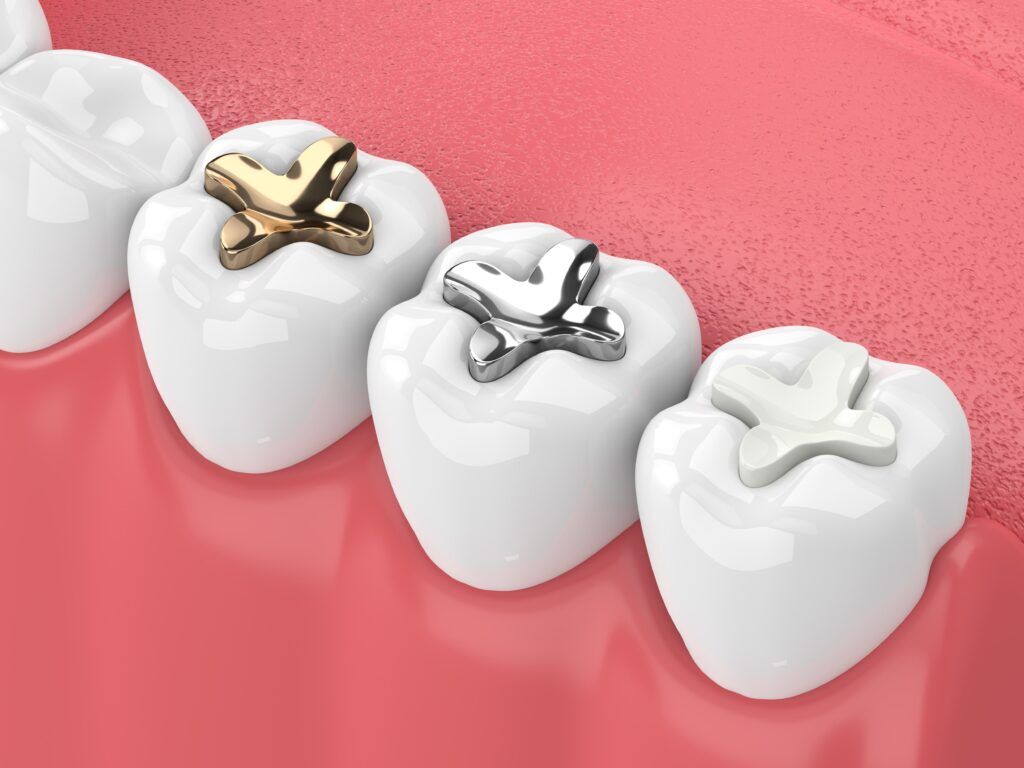
Understanding How Dental Fillings Interact With the Body
When thinking about how Dental Fillings behave once placed in a tooth, the focus often turns to the materials used, the structure of each component and how the immune system interprets them. Most restorative substances remain stable and inert, but some formulations contain trace compounds that may behave unpredictably in certain individuals. Many patients who research this topic are curious about how these materials settle over time, how they bind to enamel and how the oral environment influences their long term stability.
From a broader scientific perspective, the mouth is constantly exposed to moisture, temperature changes and ongoing mechanical pressure. These factors can gently influence how various restorative options perform over the years. Although the idea of an allergic response exists in theory, experts generally evaluate such cases through detailed histories, patch tests and comparisons with similar medical situations involving biomaterials.
Possible Triggers Linked to Dental Fillings Sensitivity
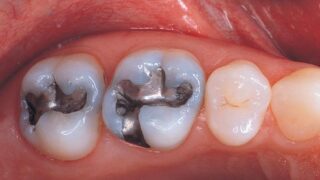
Each type of Dental Fillings contains ingredients with distinct biological behaviors. Metallic restorations may include alloys that contain nickel or other reactive elements, while composite resins rely on bonding agents and polymers with unique molecular structures. It is not unusual for individuals with general metal sensitivity to question whether a specific restorative material could provoke a similar reaction when used in the mouth.
A key point to consider is that not every sensitivity reaction is a true allergy. Some people experience mild irritation caused by pressure, micro leakage or interactions with other oral products. Others may have long standing dermatological sensitivities that influence how the tissues inside the mouth respond. Because of these variables, clinicians often observe patterns in patient histories rather than relying solely on isolated symptoms.
How Dental Fillings Materials Differ in Their Reactions
Different types of Dental Fillings demonstrate unique mechanical and chemical characteristics. Composite resins, for example, combine aesthetic qualities with adhesive strength, yet their formulation includes multiple components that interact at a microscopic level. Amalgam, on the other hand, blends metals with predictable durability, but certain elements in its alloy have historically been associated with sensitivity in small populations.
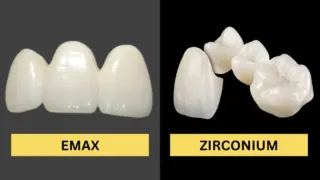
What makes this topic especially interesting is the diversity of materials available. Glass ionomer cements, resin modified versions and ceramic based formulations each offer benefits that appeal to different patient groups. Their interaction with saliva, pH changes and the natural biofilm in the mouth can shape how the tissues surrounding the restoration adapt over time. These subtle biological dynamics make the study of oral biomaterials a constantly evolving field.
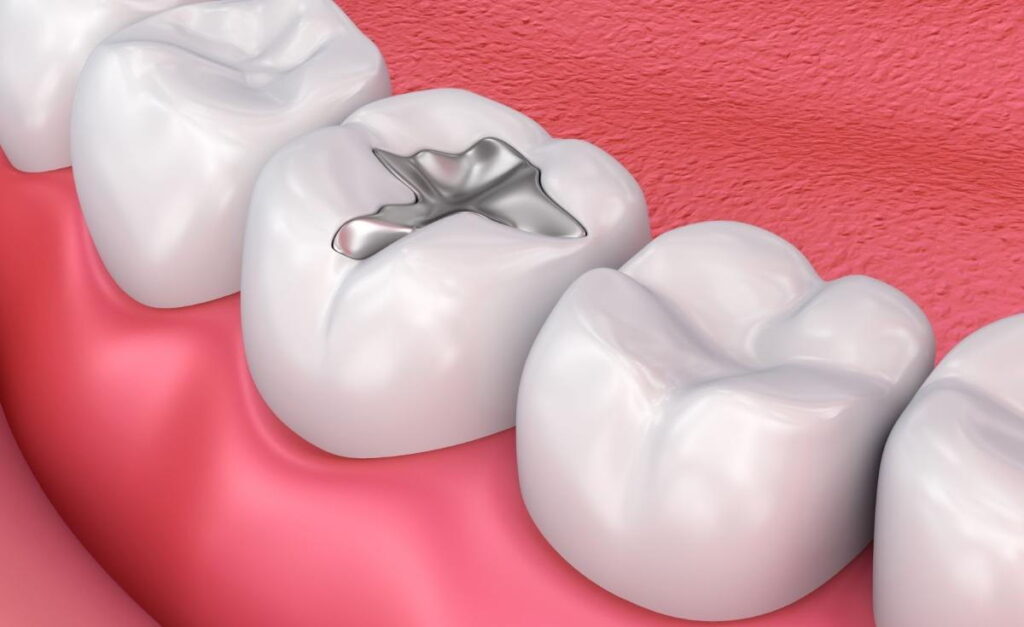
Recognizing Symptoms Potentially Connected to Dental Fillings
Individuals who suspect sensitivity to Dental Fillings often describe sensations that appear after the placement of a new restoration. These experiences may range from localized burning or tingling to diffuse irritation that shifts throughout the day. Some people notice changes in taste perception, mild gum reactions or unusual dryness that they cannot immediately explain.
It is important to remember that similar symptoms may arise for many unrelated reasons. A recently restored tooth often needs time to adjust, especially when the bite has changed or when the restoration sits close to the nerve chamber. Environmental factors, skincare products, dietary choices or unrelated dermatological conditions can also influence how tissues inside the mouth behave. Because of this, professionals usually collect detailed timelines and patient observations to better understand patterns.
Managing Concerns About Possible Dental Fillings Reactions
Individuals concerned about how Dental Fillings interact with their system often explore alternative materials or request additional information before treatment. Dentists at comprehensive clinics such as Livera Clinic commonly review each patient’s medical background, previous dental experiences and known sensitivities. This approach ensures that materials chosen for restoration align with both functional and biocompatibility considerations.
Some patients prefer to choose metal free options, while others request specific resin formulations with reduced potential irritants. Laboratory testing, clinical evaluations and material data sheets can help guide these personalized selections. The goal is always to ensure comfort, durability and compatibility with the individual’s long term oral health objectives. Understanding that restorative dentistry offers a wide range of solutions often reassures patients who express concerns about sensitivity.
Exploring Alternatives for Patients With Material Sensitivities
A growing number of patients search for restorations that minimize potential reactions to Dental Fillings materials. Advances in dental biomaterials have introduced ceramic based restorations, enhanced composites and modified bonding agents designed with greater compatibility in mind. These options appeal to individuals who prefer conservative formulations made with simpler and more stable compounds.
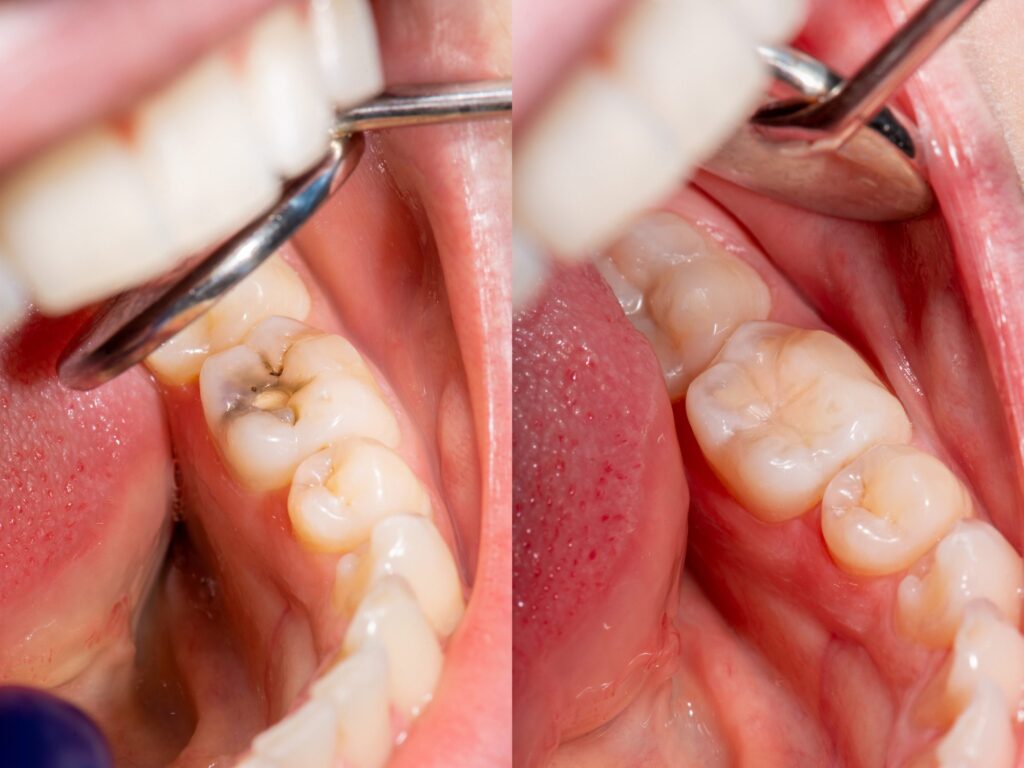
In some cases, clinicians may recommend replacing older restorations if they appear worn or if the patient has a well documented history of sensitivity. However, such decisions depend on a variety of factors, including the structural integrity of the tooth, the functional demands on the restoration and the individual’s preference for particular materials. Customization remains at the core of modern restorative dentistry, allowing each patient to find options that feel aligned with their personal needs.
Understanding the Relationship Between the Body and Dental Fillings
The question of whether someone can be allergic to Dental Fillings reflects a broader interest in how biomaterials interact with the human body. While true allergic reactions are uncommon, individual sensitivities, immune responses and personal histories play an important role in how each patient interprets their experience. Exploring this topic involves considering material science, oral biology and the diverse range of restorative options available today.
For patients who seek reassurance, open communication with a trusted clinical team, such as the specialists at Livera Clinic, helps create a personalized plan grounded in comfort and long term satisfaction. By understanding how different formulations behave and how the body responds to them, individuals can make informed decisions that support a balanced and confident approach to restorative care.